Copyright 2026 © swekartor. All Rights Reserved.


Information about Blood Pressure Tracker App
App Feature
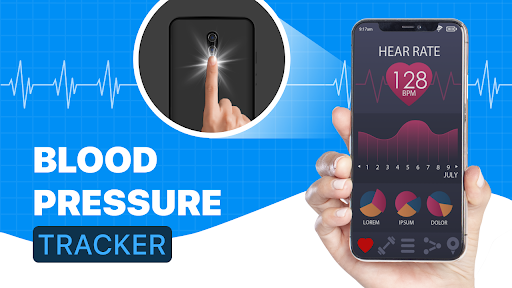
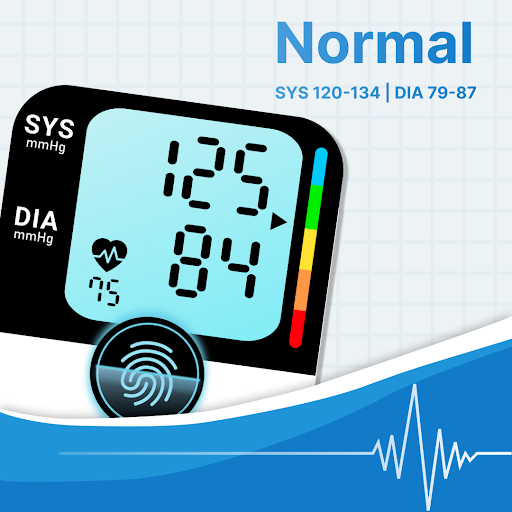
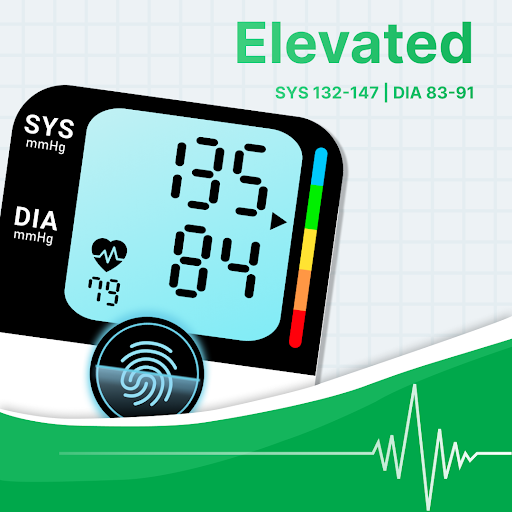
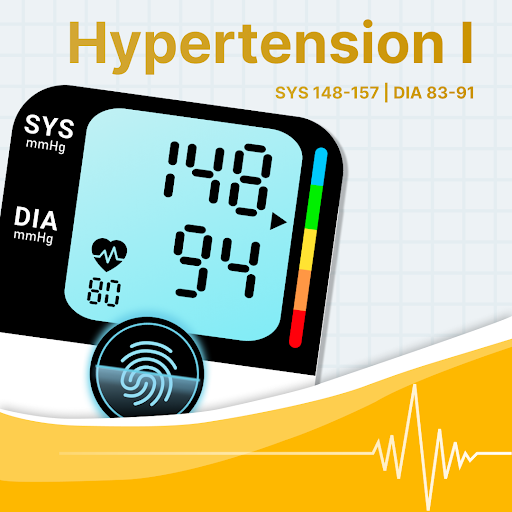
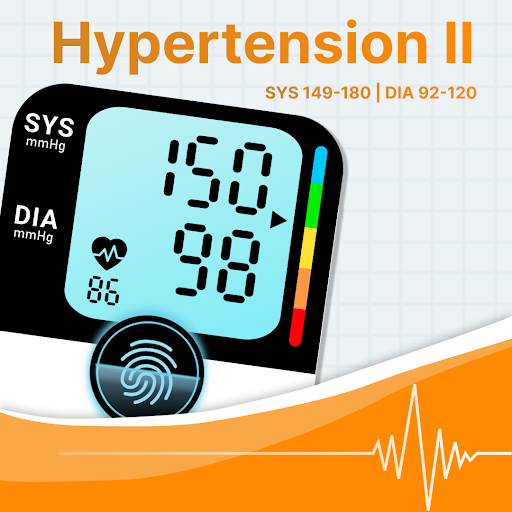
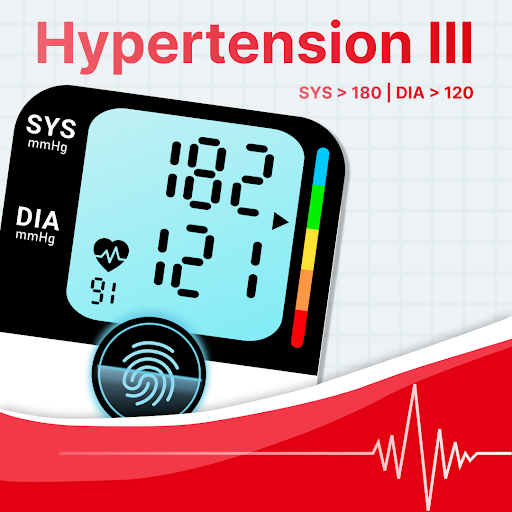
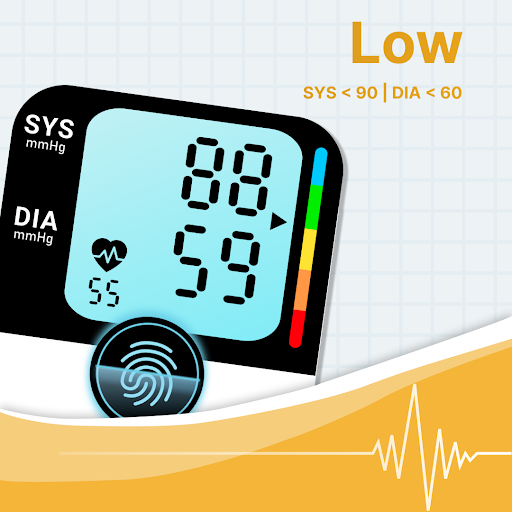
A free blood pressure logging app that lets you manually enter readings, view trends with charts and graphs, and set customizable reminders to stay on top of measurements.
Verdict
Verdict: A clear, easy BP logger with useful reminders and trend charts, best for simple, manual tracking.
Who is it for
Best for:
- People who want a straightforward way to record BP readings
- Users who benefit from reminder notifications to build a habit
- Anyone interested in visual trend charts over time
Not ideal for:
- Those needing automatic sync with Bluetooth blood pressure monitors
- Users seeking deep clinical analytics or cardiologist-grade insights
- People who want full health-data aggregation across multiple wearables
Real-world User Experience
Users like it:
Given the 4.6 rating and 1M+ downloads, users likely appreciate the simple entry flow, clean charts for spotting trends, and flexible reminders that make consistent tracking easier.
Users complain about:
No review text provided; commonly in this category, some users may want automatic device syncing, export/sharing options, or advanced analytics beyond basic charts.
Is it Worth Paying For?
The app is listed as free and no in‑app purchases are mentioned. For manual tracking with charts and reminders, it offers strong value at no cost.
How it Compares to Alternatives
Compared with general health hubs (e.g., platform health apps), this is more focused and faster for BP logging. Versus device-specific apps, it lacks automatic Bluetooth syncing but avoids hardware lock-in. Compared to premium heart-health trackers, it is simpler with fewer advanced metrics, but easier to use for everyday logging.
Summary
Blood Pressure Tracker App focuses on the essentials: quick manual entry, readable charts that highlight trends over time, and customizable reminders to build a consistent monitoring routine. Its strong rating suggests the core experience—log, visualize, remember—works well for most users. It trades advanced features like automatic cuff syncing or clinician-level analytics for simplicity and accessibility. If your goal is to keep reliable records and see progress without complexity or cost, it’s an excellent fit; if you need automatic device integration or deep analysis, you may want a more advanced alternative.
Ratings
Trending APP










Alternative to this app