Copyright 2026 © swekartor. All Rights Reserved.



Information about Dictionary - Merriam-Webster
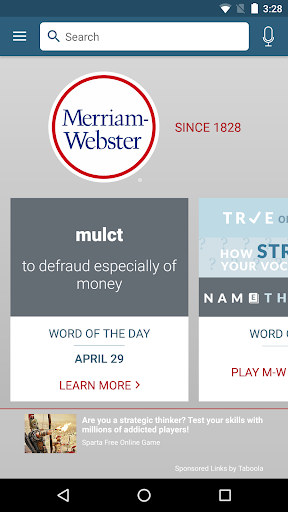
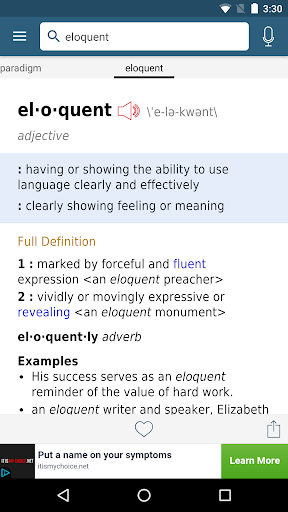
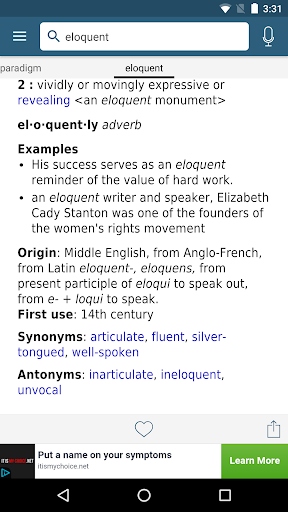
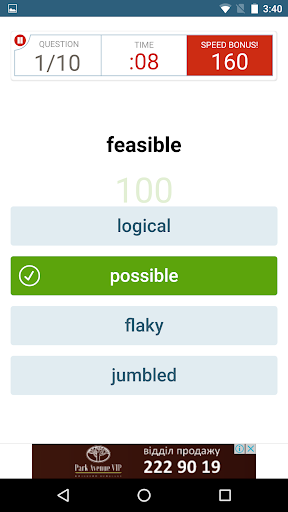
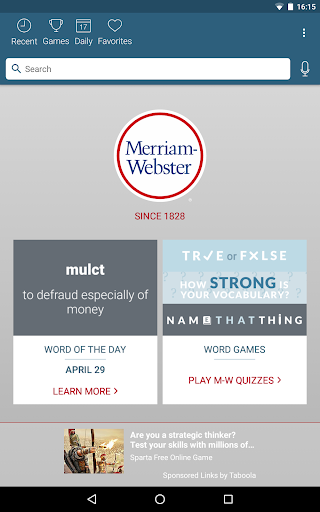
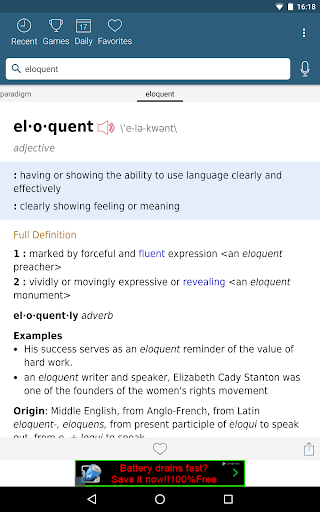
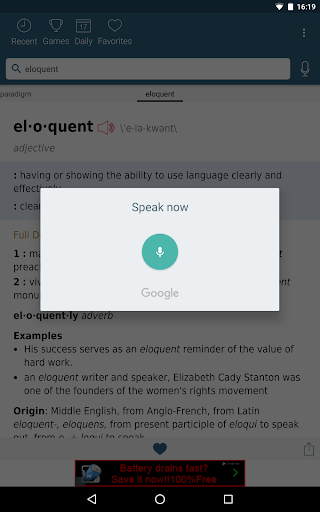
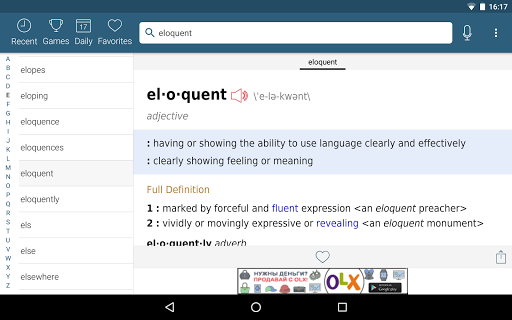
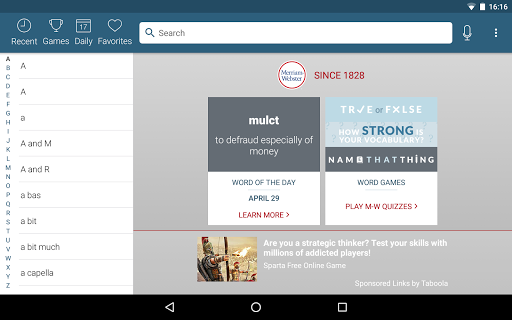
App Feature
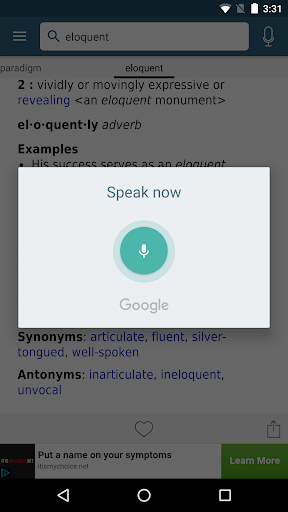
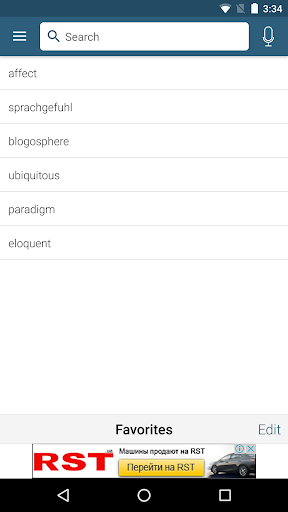
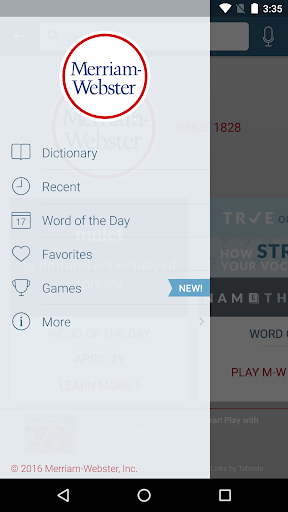
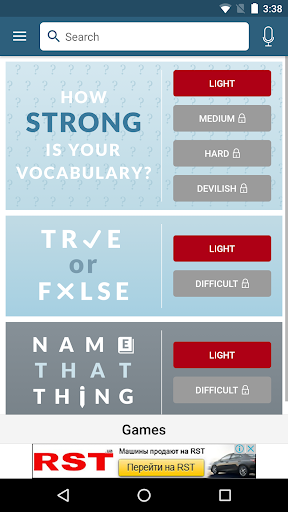
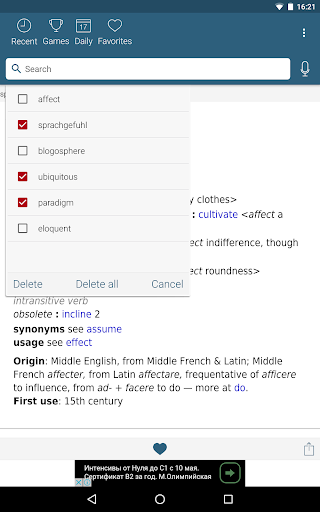
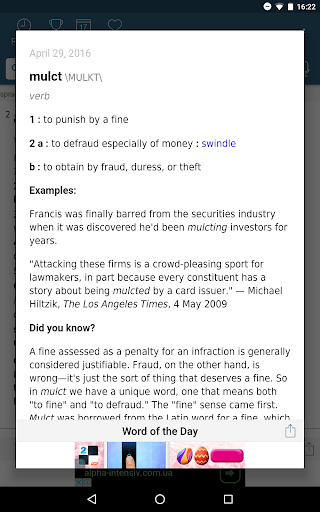
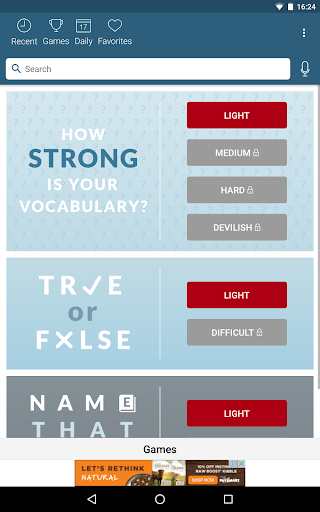
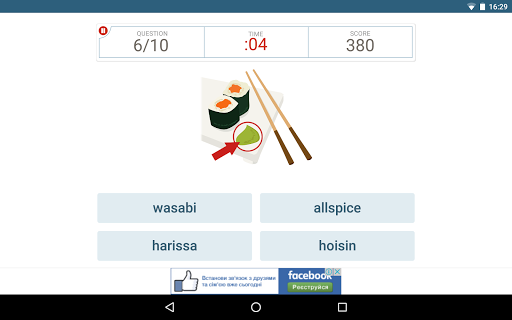
A comprehensive English dictionary and thesaurus with offline definitions, example sentences, etymologies, audio pronunciations (online), voice search, Word of the Day, and vocabulary-building quizzes—optimized for Android with favorites, history, and device syncing.
Verdict
Verdict: A top-tier, offline-friendly dictionary for learners and writers, though ads and occasional subscription quirks may frustrate.
Who is it for
Best for:
- Students, writers, and word enthusiasts needing a reliable offline dictionary and thesaurus
- Learners who benefit from examples, etymology, and daily vocabulary quizzes
- Users who prefer not to create an account to access core features
Not ideal for:
- Users who want fully offline audio, illustrations, and voice search
- Those highly sensitive to ads or subscription price changes
- People needing consistent British/American dual pronunciations or advanced list management
Real-world User Experience
Users like it:
Robust offline lookups; smooth navigation with history, favorites, and swipe; high-quality definitions, examples, etymology, and integrated thesaurus; engaging word games and Word of the Day; no mandatory registration; reliable for daily academic and professional use.
Users complain about:
Ads are noticeable in the free version; occasional technical issues (rare crashes, intermittent slow loads, keyboard focus bug); subscription recognition problems for some after renewal; price increase for ad-free plan; requests for broader pronunciation options and more flexible saved-word organization.
Is it Worth Paying For?
The free version is fully usable but ad-supported. The ad-free subscription (with extra vocab resources) offers good value for heavy users who rely on the app daily or dislike interruptions. Note reported renewal-recognition hiccups and a recent price increase; if you use it occasionally, staying on the free tier is reasonable.
How it Compares to Alternatives
Compared to Oxford/Cambridge apps, Merriam-Webster stands out for seamless offline definitions without forced sign-in, strong example sentences, and lively quizzes. Versus Dictionary.com, it generally feels less ad-heavy in use and offers richer etymology, though both place audio behind connectivity. Google’s quick-lookup is faster but lacks depth, curated examples, and learning tools. Users note MW includes more archaic/literary entries than some rivals.
Summary
Dictionary – Merriam-Webster delivers a dependable, scholarly reference with offline definitions, integrated thesaurus, and excellent examples and etymologies, wrapped in a clean interface with helpful features like history, favorites, and Word of the Day. Its vocabulary quizzes add genuine learning value, and core functionality works well without an account. The main trade-offs are ads in the free version, online requirements for audio and voice search, and isolated reports of subscription recognition issues and minor bugs. For frequent lookups and vocabulary building, it’s one of the strongest choices on Android; casual users can stay free, while power users may justify the ad-free subscription despite the price bump.
Ratings
Trending APP









Alternative to this app