Copyright 2026 © swekartor. All Rights Reserved.



Information about Radar Map, Radar Detector, HUD
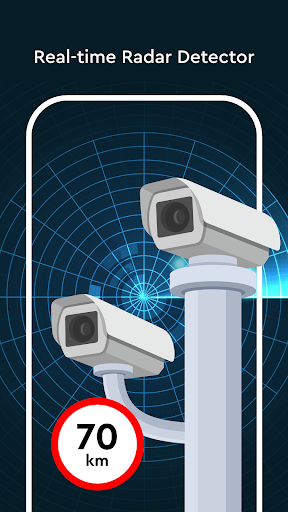
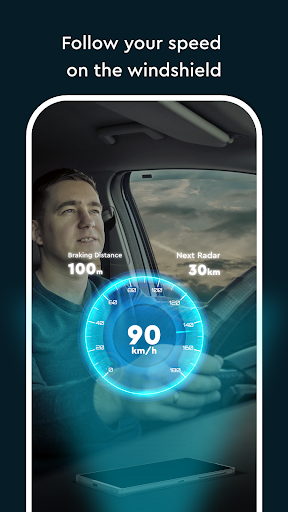
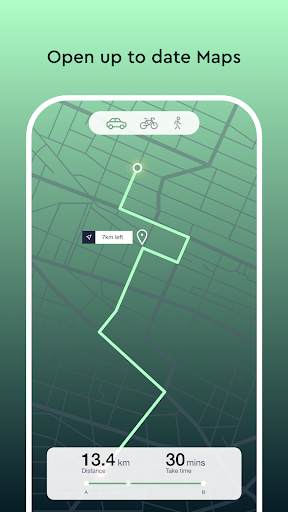
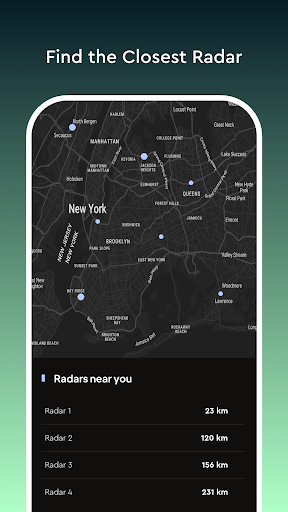
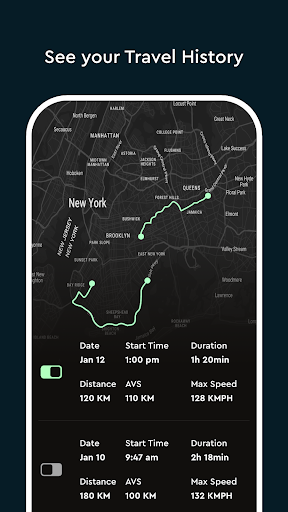
App Feature
All-in-one driving assistant that combines radar/speed camera alerts, turn-by-turn voice navigation, real-time traffic, HUD windshield projection, POI search (gas, EV, banks, hospitals), AI voice copilot, trip/radar history, and car maintenance guidance.
Verdict
Verdict: A feature-packed driver companion that’s great for alerts and navigation, especially if you value HUD and hands‑free assistance.
Who is it for
Best for:
- Drivers who want radar/speed camera warnings alongside navigation
- Night and highway travelers who benefit from HUD and voice guidance
- Road‑trippers who need POIs and trip history in one place
Not ideal for:
- Users who rely exclusively on crowdsourced, hyper-local alerts like Waze
- Minimalists who prefer a simple maps app without extras or ads
Real-world User Experience
Users like it:
Praised for being easy to use, helpful for finding destinations and shortcuts, and generally effective as a simple map/radar tool.
Users complain about:
Few or no complaints surfaced in the provided reviews, so potential downsides (e.g., ad interruptions, regional accuracy variance, features behind IAP) aren’t clearly reflected.
Is it Worth Paying For?
Free with ads and optional IAP. For casual use, the free tier should suffice. If you drive frequently, removing ads and unlocking any premium navigation or alert features may be worth it—evaluate based on how much you rely on HUD, AI copilot, and comprehensive radar databases in your area.
How it Compares to Alternatives
Compared to Waze or Google Maps, it emphasizes radar/speed camera alerts, HUD, and a voice AI copilot, plus vehicle care tips—features standard map apps lack. Versus Radarbot or TomTom AmiGO, it adds full navigation, POI search, and HUD in one package. Accuracy of alerts can depend more on its database than on real-time crowdsourcing, so in some locales Waze may surface faster community reports, while this app offers a richer driver-focused toolkit.
Summary
Radar Map, Radar Detector, HUD blends navigation, speed camera alerts, AI voice assistance, HUD projection, and POI search into a single driving app. Its focus on hands-free guidance and windshield-readable data helps keep eyes on the road, while travel history and maintenance tips round out a thoughtful driver suite. Early user feedback highlights ease of use and helpful routing; while the limited negative feedback provided makes it hard to gauge downsides, typical considerations include ads, IAP value, and regional alert coverage. If you want more than basic maps—especially HUD and radar alerts—this is a strong, practical choice.
Ratings
Trending APP










Alternative to this app