
Copyright 2026 © swekartor. All Rights Reserved.



Information about Rock: Identifier & Stone ID
App Feature
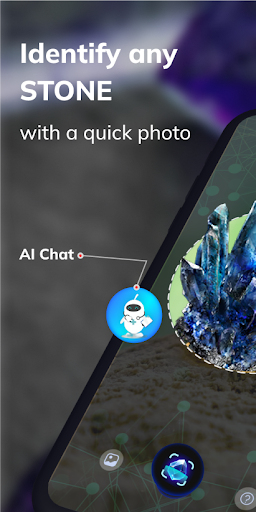
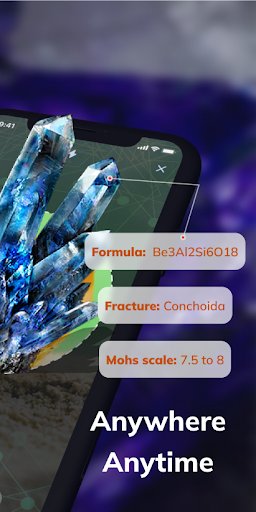
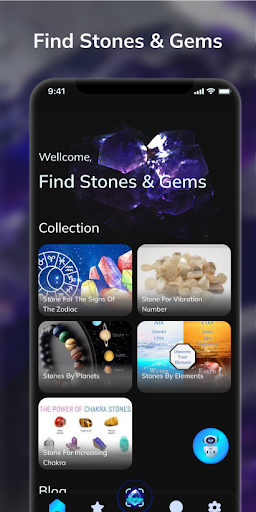
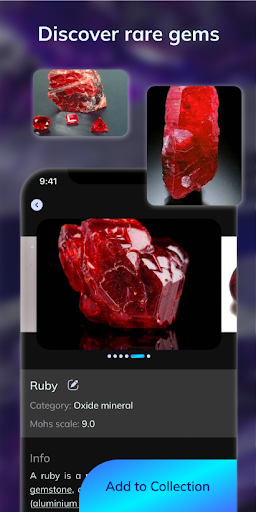
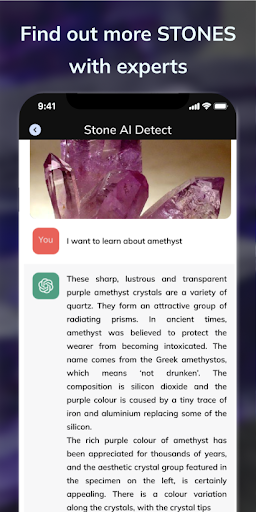
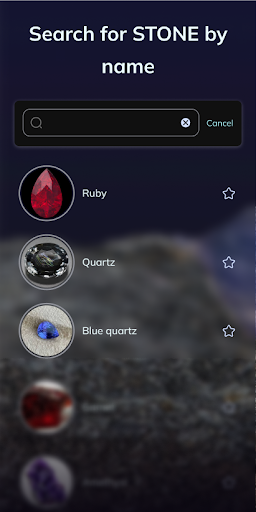
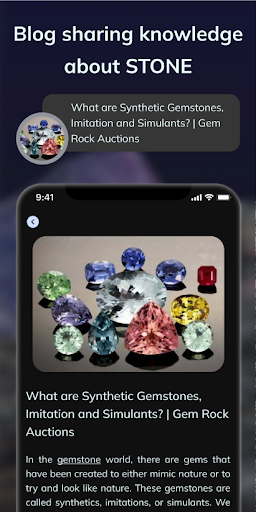
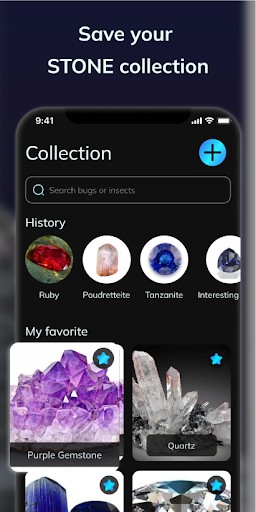
Rock: Identifier & Stone ID helps users identify rocks, minerals, crystals, and gemstones from photos, offering a searchable database with high-quality images, property filters (name/color/physical traits), a geology glossary, favorites, and a community sharing component for learning and discussion.
Verdict
Verdict: A convenient rock ID helper for casual use, but ads, paywalls, and mixed accuracy expectations may frustrate serious users.
Who is it for
Best for:
- Hobbyists and students who want quick, photo-based rock IDs
- Collectors seeking a browsable database with images and basic properties
- Teachers or parents introducing geology concepts with simple tools
Not ideal for:
- Professional geologists or lapidarists needing lab-grade identification or provenance
- Users who dislike ads, trial paywalls, or recurring subscriptions
- Anyone requiring verified market valuation data for buying/selling stones
Real-world User Experience
Users like it:
Simple interface and the idea of fast photo-based identification; large database and glossary useful for learning; some users plan to keep it for future projects.
Users complain about:
Subscription prompts/paywall friction before successful IDs; intrusive or confusing ads that resemble app UI; desire for pricing/value info on stones not met.
Is it Worth Paying For?
It offers in-app purchases and contains ads. If you want convenient, on-the-spot IDs and a single-app reference, a short subscription may be worthwhile for casual field use. However, because accuracy for complex specimens is inherently limited by photos and there are free references online, frequent or professional users may not find strong value in ongoing payments unless they rely heavily on its guided results and database.
How it Compares to Alternatives
Compared with other rock ID apps (e.g., popular photo-based rock identifiers, general visual tools like Google Lens, and reference-first apps such as mineral databases), this app emphasizes ease of use and breadth over laboratory-level precision. It is more beginner-friendly than text-heavy databases, but it likely trails specialist references in rigor and may feel heavier on ads/paywalls than some alternatives. For valuation or trading insights, dedicated gemology resources remain superior.
Summary
Rock: Identifier & Stone ID targets quick, camera-based rock and gem identification backed by a broad, searchable database, clear images, and a built-in glossary. It’s approachable for learners and collectors who want fast context on what they’ve found and a place to save favorites and compare properties. That said, user reports note subscription prompts, ad friction, and missing valuation features. Given its 3.3 rating and 1M+ downloads, it’s a popular entry-level option best treated as an educational aid and starting point—not a definitive identification or pricing tool. Try the free experience first; consider paying only if its workflow and results meaningfully streamline your hobby or studies.
Ratings
Trending APP












Alternative to this app