
Copyright 2026 © swekartor. All Rights Reserved.



Information about WA Notify
App Feature
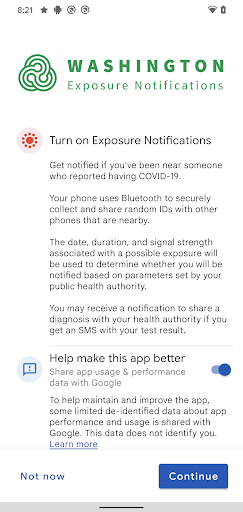
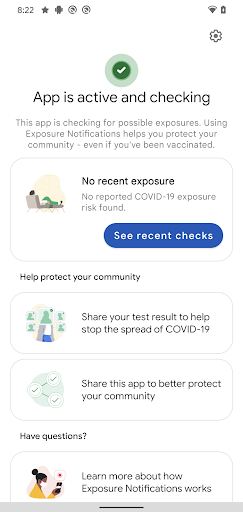
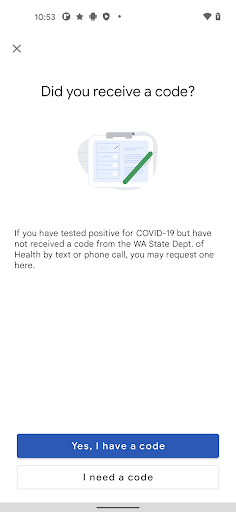
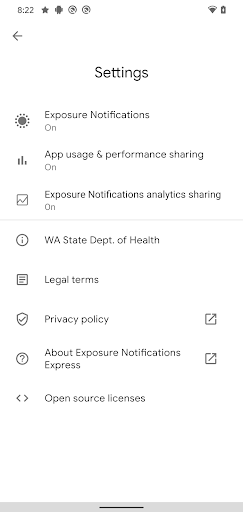
WA Notify is a free, state-backed exposure notification app that uses Bluetooth to anonymously log close contacts and send real-time alerts about potential COVID-19 exposures, coupled with privacy-first design and community health insights.
Verdict
A useful, privacy-focused exposure alert tool, but reliability and consistency may vary by device and user adherence.
Who is it for
Best for:
- Washington residents who want anonymous exposure alerts
- Privacy-conscious users seeking minimal data collection
- People who want quick, passive notifications without manual check-ins
Not ideal for:
- Users expecting highly detailed, individualized health guidance
- People with older phones or restrictive Bluetooth settings
- Those who need guaranteed, always-on accurate notifications
Real-world User Experience
Users like it:
Simple setup, runs quietly in the background, offers peace of mind through anonymous Bluetooth-based alerts, and aligns with strong privacy principles.
Users complain about:
Mixed reliability (delayed or missed alerts), occasional compatibility or Bluetooth issues, limited actionable detail in notifications, and sporadic battery/permission friction—reflected in the mid-tier rating.
Is it Worth Paying For?
It’s completely free with no in-app purchases; there’s no cost barrier, so value depends on your willingness to keep Bluetooth enabled and participate in the community system.
How it Compares to Alternatives
Compared with other exposure notification apps (e.g., similar state or regional implementations using the same Bluetooth framework), WA Notify emphasizes the same privacy-preserving approach and passive alerts. Its utility is comparable to peers, though effectiveness everywhere depends on local adoption, device compatibility, and timely reporting—factors common across this category.
Summary
WA Notify delivers anonymous, real-time exposure alerts using Bluetooth and emphasizes privacy while offering community-level insights. It’s easy to set up, runs unobtrusively, and costs nothing, making it a low-friction choice for Washington residents who want an added layer of awareness. However, like many exposure notification apps, real-world effectiveness can vary based on device settings, user adoption, and reporting timeliness, which helps explain the average rating. If you’re comfortable enabling Bluetooth and want a privacy-respecting tool that could help you respond faster to potential exposures, it’s worth installing—just temper expectations about perfectly consistent alerts and detailed guidance.
Ratings
Trending APP











Alternative to this app