Copyright 2026 © swekartor. All Rights Reserved.


App Feature
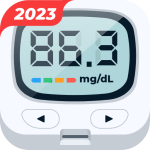
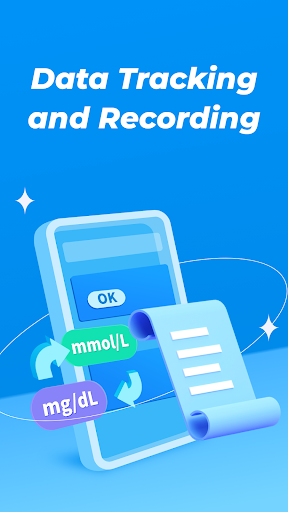
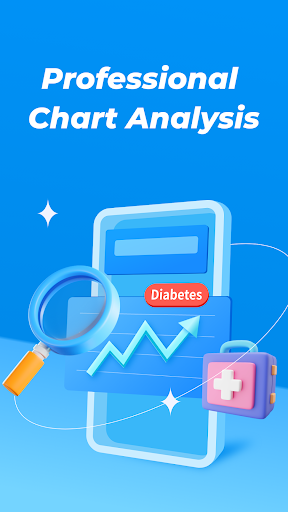
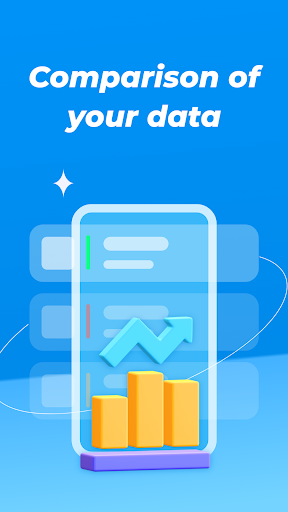
Blood Sugar is a free diabetes companion that centralizes educational content on diabetes (types, ranges, prediabetes), offers manual blood sugar logging with saved reports, provides unit conversion (mg/dL ↔ mmol/L), and visualizes results with simple charts and ratings to help users understand trends.
Verdict
Verdict: A helpful, education-first blood sugar companion for basic tracking and understanding, but not a substitute for medical-grade tools or device-integrated apps.
Who is it for
Best for:
- Beginners seeking clear diabetes information and reference ranges
- Users who want simple visual reports and unit conversion without complexity
- People monitoring trends manually (diabetics and non-diabetics)
Not ideal for:
- Users needing meter/CGM syncing, insulin calculators, or reminders
- Those expecting medical-grade accuracy or clinician oversight
- Power users who require advanced analytics and comprehensive care workflows
Real-world User Experience
Users like it:
Straightforward interface with visualized charts and auto-generated ratings, quick access to saved reports, and a strong library of diabetes education that helps interpret ranges and trends.
Users complain about:
Results are for reference only (not diagnostic), potential confusion over units for newcomers, and likely lack of integrations with glucose meters/CGMs or advanced management features.
Is it Worth Paying For?
The app is free with no obvious in-app purchases mentioned. For users who want basic education, manual logging, and conversions, it offers solid value at no cost.
How it Compares to Alternatives
Compared with full-featured diabetes managers like mySugr, Glucose Buddy, or One Drop, Blood Sugar is lighter and more education-focused, with simple charts and conversions rather than deep analytics, device syncing, carb counting, or insulin bolus support. It’s a good entry point but not a comprehensive management suite.
Summary
Blood Sugar targets accessible diabetes education and straightforward tracking. It provides a large knowledge base on types, ranges, and prediabetes, lets users log values, view saved reports, and convert units between mg/dL and mmol/L. Visual charts and ratings make trends easy to digest, but the app positions results as reference-only and does not appear to integrate with hardware or offer advanced coaching. With a 4.2 rating and 5M+ downloads, it’s a practical, low-friction choice for people learning about blood sugar and monitoring manually. Users who need device connectivity, reminders, or clinical-grade features should consider more robust alternatives.
Ratings
Trending APP










Alternative to this app