
Copyright 2026 © swekartor. All Rights Reserved.


App Feature
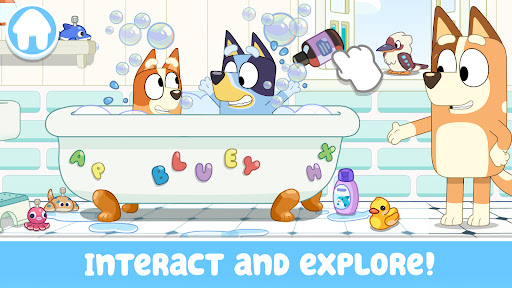
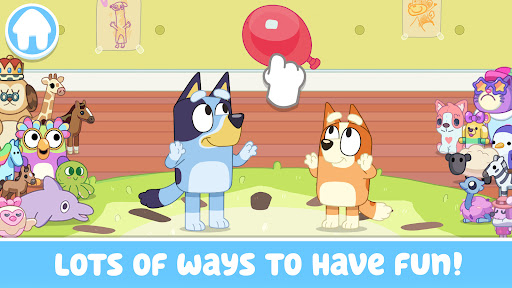
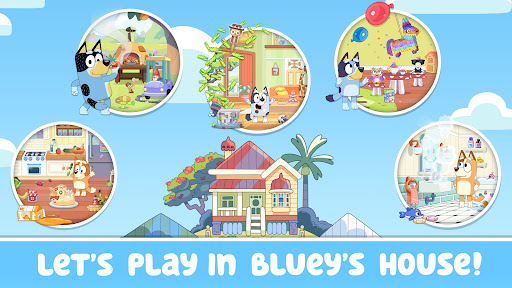
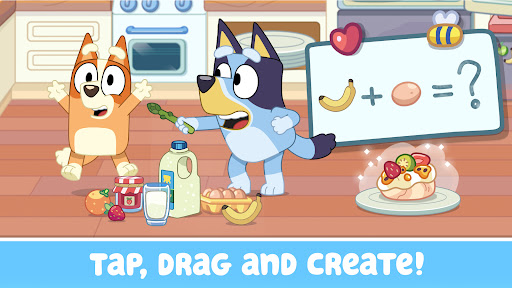
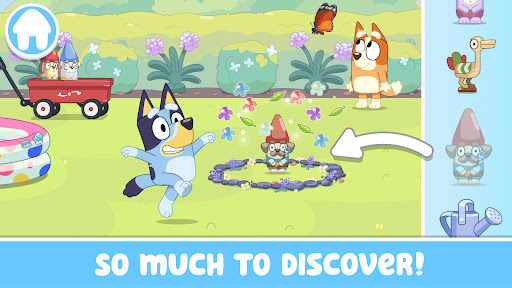
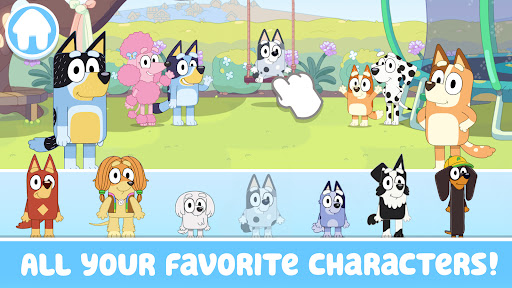
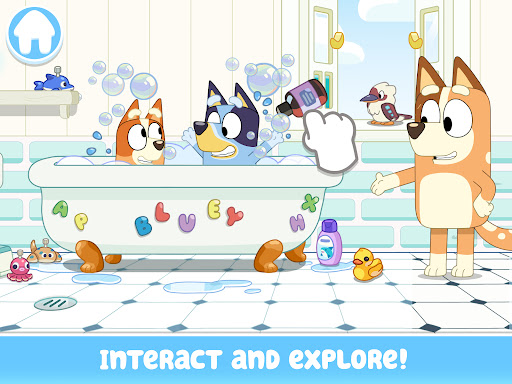
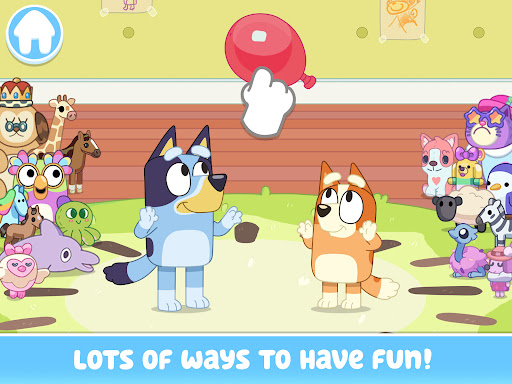
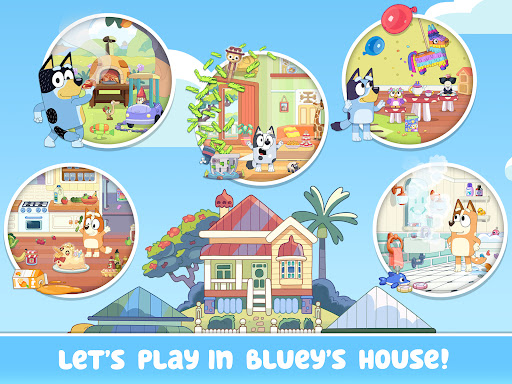
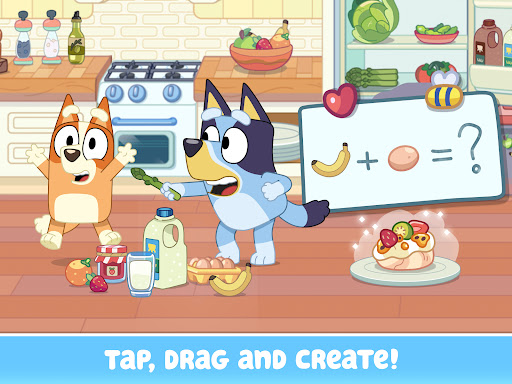
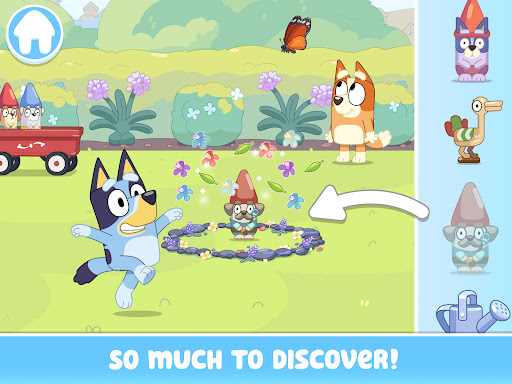
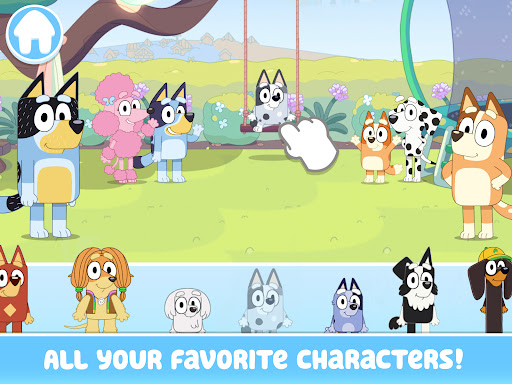
A calm, kid-friendly Bluey sandbox where children explore the Heeler home, play mini-games, craft stories, cook recipes, color scenes, and interact with characters using tap-and-drag play. It blends free-play creativity with light learning and problem-solving activities.
Verdict
Verdict: A delightful creative playground for Bluey fans, but gated by a recurring subscription that limits value for occasional use.
Who is it for
Best for:
- Bluey-loving toddlers and early elementary kids (roughly ages 2–9)
- Parents seeking a safe, guided creative playset with frequent new rooms/content
- Families who value ad-light experiences and are comfortable with subscriptions
Not ideal for:
- Parents who prefer one-time purchases over monthly subscriptions
- Kids who want all characters/areas unlocked without paywalls
- Families expecting structured curricula or deep educational analytics
Real-world User Experience
Users like it:
Charming, show-authentic environments; open-ended imaginative play; interactive cooking and household mini-games; relaxing coloring pages; frequent new rooms; safe, kid-friendly design that engages even reluctant players.
Users complain about:
Most content locked behind a $6.99/month subscription; only 2 free areas by default; requests for more free characters/rooms; occasional glitches (e.g., sleep behavior, missing favorite characters like Winton, child-account purchase/sharing issues).
Is it Worth Paying For?
If your child consistently loves Bluey and plays weekly, the subscription can be worth it for the breadth of rooms, characters, and ongoing updates. For sporadic play (e.g., only during trips), the monthly fee feels steep. Many reviewers wish for à la carte or one-time unlocks; consider trialing free areas first, then subscribe during high-use periods and cancel when interest dips.
How it Compares to Alternatives
Compared to Toca Life World, Bluey emphasizes the licensed TV world and simpler interactions but uses a similar gated-content model; Toca leans more toward expansive sandbox depth. Versus Sago Mini World, it’s comparable in subscription value and gentle design, but Bluey wins for fandom appeal. PBS KIDS Games is more educational and typically free/ad-free with broader learning goals, but lacks Bluey’s cohesive, character-driven playset. Other Budge-branded titles (PAW Patrol, Barbie) follow similar monetization, with Bluey standing out for polish and authenticity.
Summary
Bluey: Let's Play! delivers a cozy, show-faithful digital playset where kids can explore the Heeler home, concoct imaginative stories, and enjoy light learning through interactive mini-games and coloring. It’s easy to pick up, encourages creativity, and earns praise for being safe and engaging. The main drawback is the subscription: only a couple of areas are free, and unlocking the full experience costs $6.99/month, which many families find high for occasional use. If your household adores Bluey and will use it regularly, the ongoing content and charm justify the spend; otherwise, the limited free tier may suffice while you watch for deals or hope for one-time unlocks. Overall, it’s a polished, delightful choice for young Bluey fans—best when the subscription aligns with actual playtime.
Ratings
Trending APP









Alternative to this app