Copyright 2026 © swekartor. All Rights Reserved.



App Feature
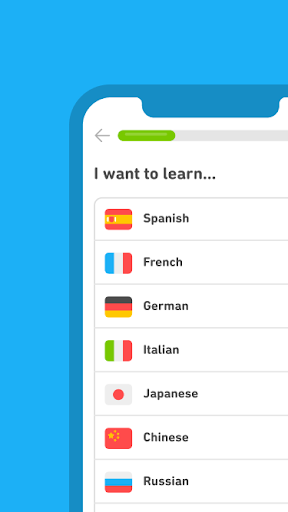
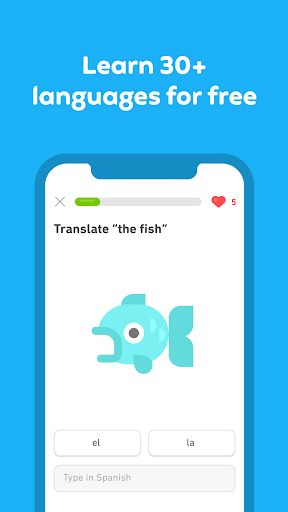
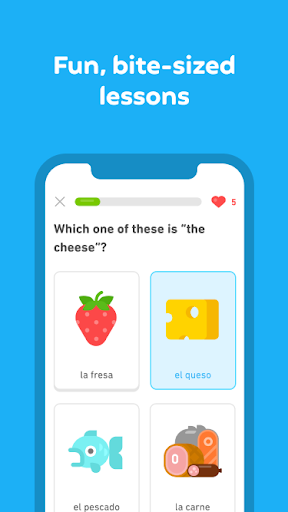
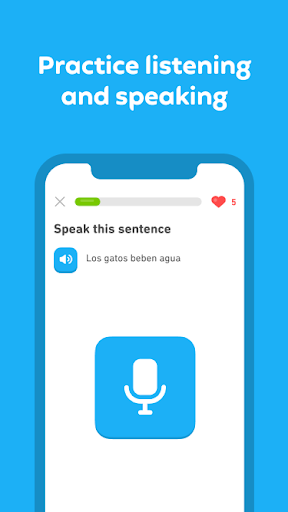
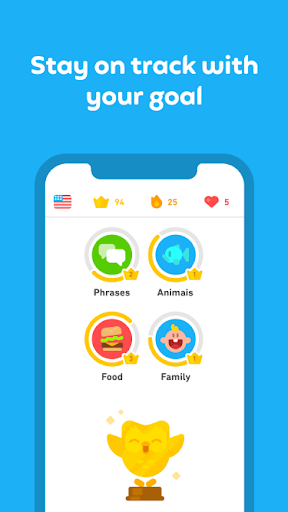
Duolingo is a free, gamified learning app focused on bite-sized lessons that build reading, listening, speaking, and writing skills across 40+ languages, now expanded with beginner-friendly Math, Music, and Chess courses; it uses streaks, leaderboards, hearts, and XP to drive daily habit formation.
Verdict
Verdict: An engaging, beginner-friendly way to build daily language (and now math/music/chess) skills, but less ideal for deep grammar mastery or uninterrupted heavy practice without a subscription.
Who is it for
Best for:
- Beginners seeking a fun, low-friction daily habit to build vocabulary and basic skills
- Casual learners and families motivated by streaks, leaderboards, and short sessions
- Learners wanting free access to many languages, plus light Math/Music/Chess practice
Not ideal for:
- Advanced learners needing rigorous grammar, nuanced explanations, or conversation practice
- Users who dislike energy/hearts limits, occasional inaccuracies, or upsell prompts
Real-world User Experience
Users like it:
Gamified design (streaks, XP, leaderboards) keeps learners motivated; strong for vocabulary and daily review; flexible pacing with beginner/intermediate tracks; minimal ads unless opting to watch for hearts; useful tips, listening practice, and reminders; effective for starting Japanese scripts (hiragana/katakana) and sustaining family learning habits; frequent feature updates (Match Madness, podcasts) and polished UI.
Users complain about:
Hearts/energy limits constrain longer sessions without Super; occasional lag/freezes—particularly with earbuds or unresponsive 'check' button—causing lost hearts/XP; some odd example sentences and occasional inaccuracies; pacing/order can feel too fast or skip concepts; speech recognition can be finicky; perceived push toward Super and removal/changes like dark theme.
Is it Worth Paying For?
The free tier is generous and enough for most beginners. Super Duolingo (no ads, unlimited hearts, monthly streak repair, extra challenges) is worth it if you practice intensively, dislike interruptions, or want continuous sessions; otherwise, try the 14‑day trial and decide based on how often hearts/energy block your flow.
How it Compares to Alternatives
Versus Babbel/Busuu: Duolingo is more playful and broad but less structured for grammar and real-life dialogues. Versus Rosetta Stone: far cheaper (often free) and faster to pick up, but less immersive and comprehensive. Versus Memrise: Duolingo excels at habit loops and varied drills; Memrise often wins on native-video vocab. Pairing with Anki for spaced repetition and HelloTalk/Tandem for conversation fills Duolingo’s depth/speaking gaps. Duolingo uniquely adds Math, Music, and Chess for all-ages skill building.
Summary
Duolingo: Language Lessons delivers one of the most accessible on-ramps to language learning, with vibrant gamification, daily reminders, and short, satisfying lessons that effectively build vocabulary and basic skills. It now extends the same bite-sized approach to Math, Music, and Chess, widening its appeal for families and casual learners. Users praise its motivation mechanics, free access, and frequent updates, while noting limits like hearts/energy, occasional inaccuracies, and sporadic performance hiccups. It’s best as a starter or maintenance tool—great for forming a daily habit and covering essentials—while deeper grammar, conversation, and nuanced accuracy are better achieved by pairing it with structured courses, native content, and speaking practice. The free plan suffices for most; Super is a quality-of-life upgrade if you want uninterrupted, longer study sessions.
Ratings
Trending APP












Alternative to this app