
Copyright 2026 © swekartor. All Rights Reserved.



App Feature
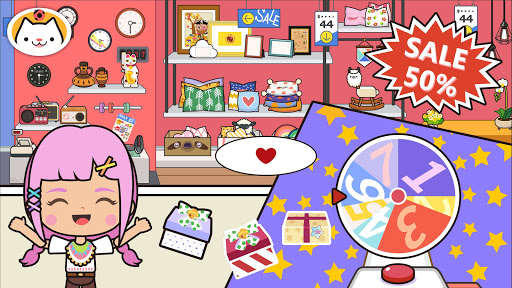
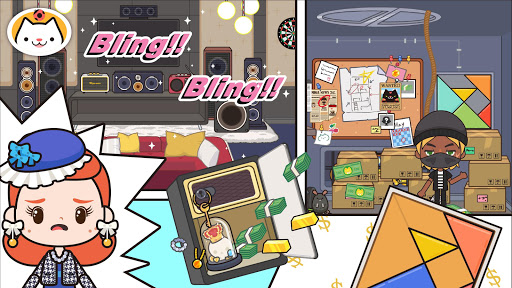
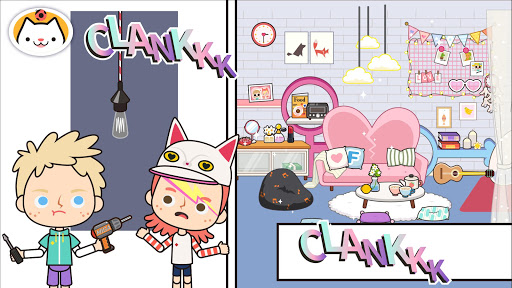
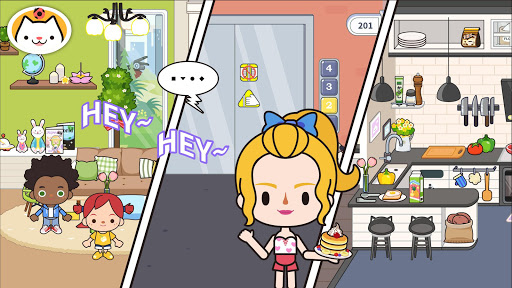
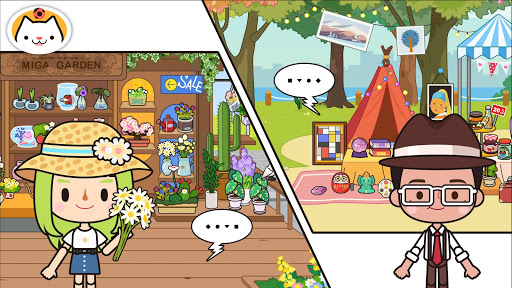
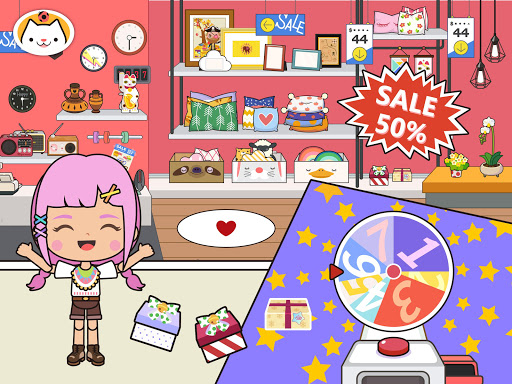
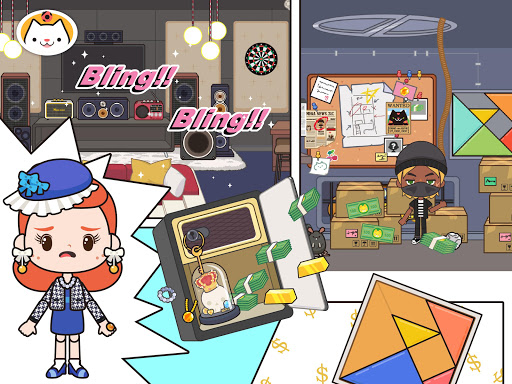
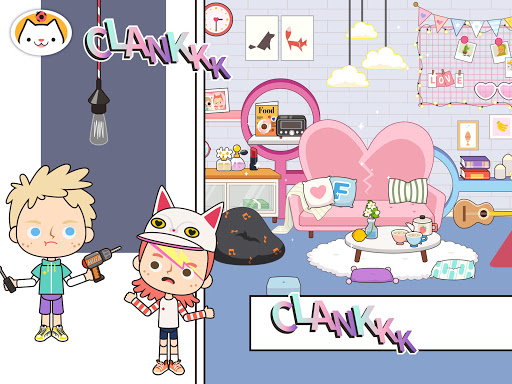
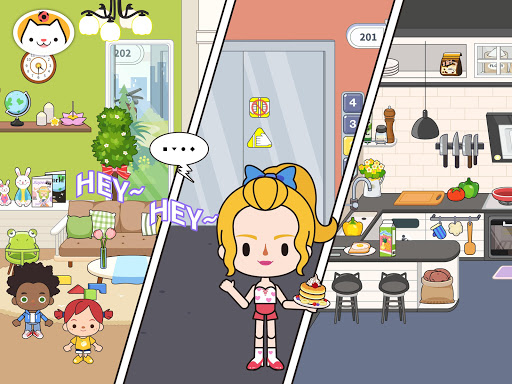
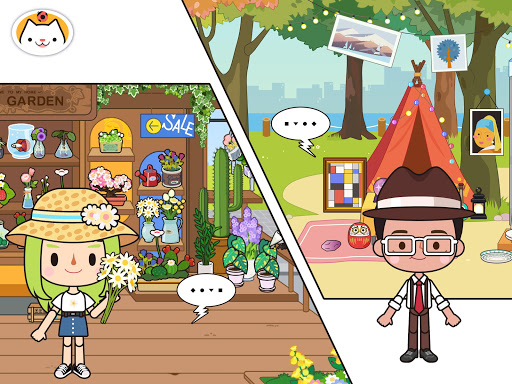
A kid-focused digital dollhouse where children decorate and role‑play in a virtual apartment complex, customize rooms and characters, and explore a few daily-life scenes; additional locations and items unlock via in‑app purchases.
Verdict
Verdict: A charming sandbox for young pretend play, but gated content and IAPs limit the fun unless you pay.
Who is it for
Best for:
- Parents seeking an ad‑free, safe pretend‑play app for ages ~4–8
- Kids who enjoy decorating rooms, dressing characters, and casual role‑play
Not ideal for:
- Families wanting a fully unlocked experience without purchases
- Older kids seeking deeper mechanics, quests, or open access to many locations
Real-world User Experience
Users like it:
Engaging for young children; cute apartment setting; dress‑up and character play; simple, creative sandbox with smooth role‑play flow; no ads; overall fun even with one free room.
Users complain about:
Most locations and items are paywalled; limited free content frustrates kids; requests for lower prices or more free areas; some find character faces a bit uncanny; desire to change more clothes without paying.
Is it Worth Paying For?
If your child loves digital dollhouses and you want an ad‑free play space, selectively buying a location they’re excited about can be worth it. Without IAPs the experience is quite limited; consider waiting for discounts or starting with one add‑on to test interest.
How it Compares to Alternatives
Compared with Toca Life World, My Apartment is narrower in scope but typically cheaper to sample; Toca offers broader worlds and polish with similar IAP structure. Versus Pepi House/My Town titles, this feels comparable in creativity and younger‑kid appeal, with a similar paywall model and slightly simpler interactions.
Summary
Miga Town: My Apartment delivers a friendly, imagination‑driven dollhouse where kids decorate, dress characters, and act out daily life scenes. The core loop is easy to grasp and engaging for younger players, and the lack of ads is a plus for parents. However, much of the content sits behind in‑app purchases, which can make the free version feel sparse and frustrate children who want to explore more rooms and outfits. If your child enjoys this style of pretend play, unlocking a favorite location can provide good value; otherwise, consider alternatives with more generous free content. Overall, it’s a pleasant, creative sandbox best suited to younger kids, provided you’re comfortable with optional spending.
Ratings
Trending APP












Alternative to this app