
Copyright 2026 © swekartor. All Rights Reserved.





App Feature
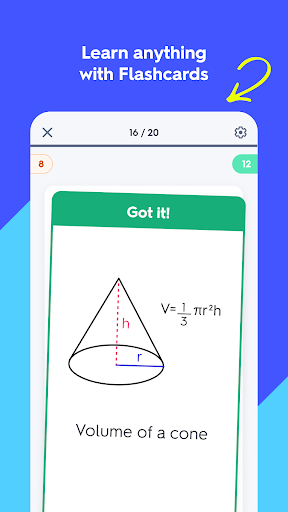
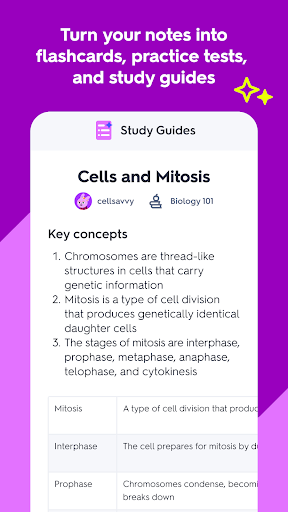
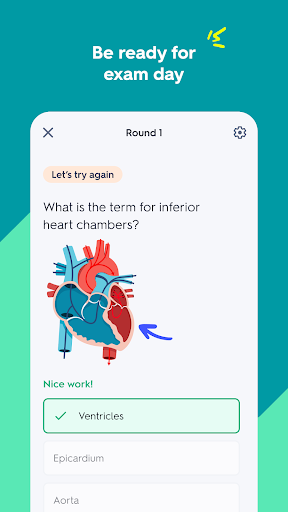
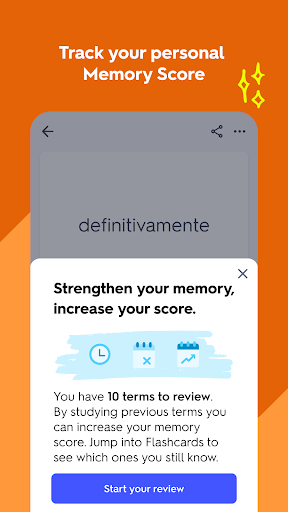
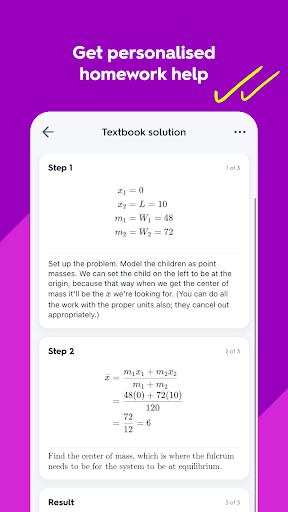
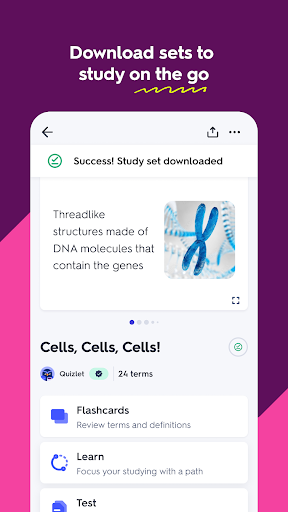
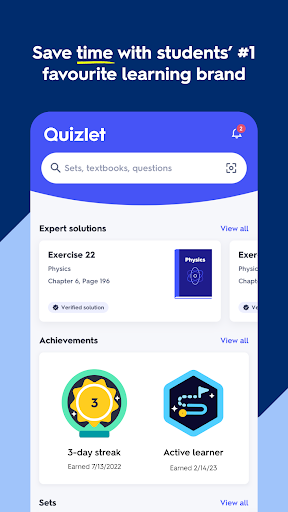
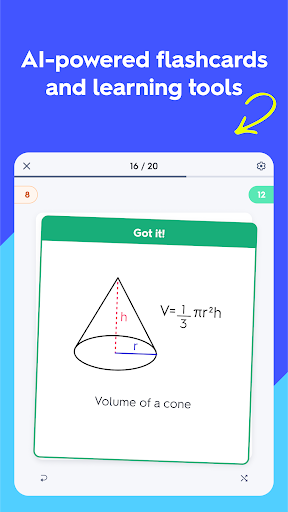
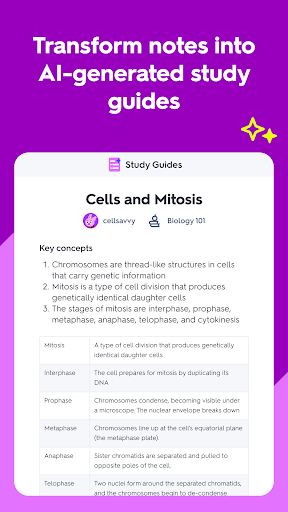
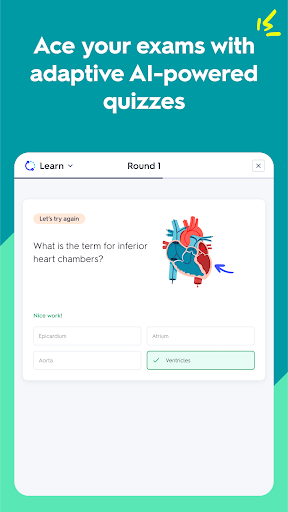
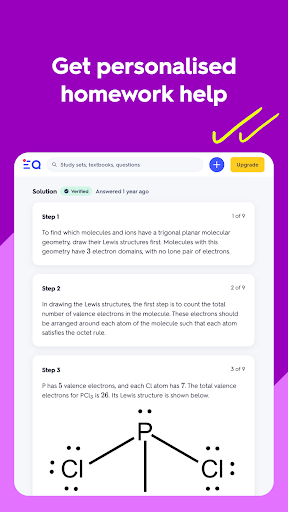
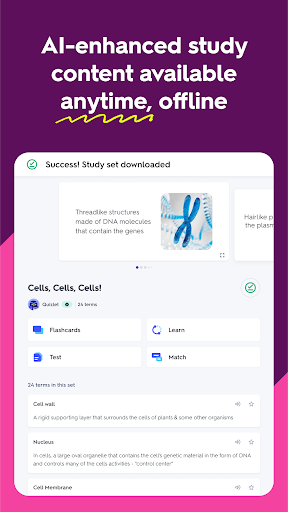
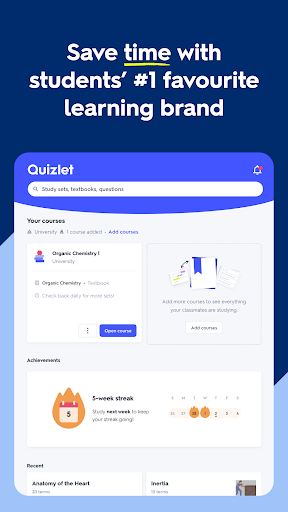
Quizlet is an all‑in‑one study app centered on flashcards, adaptive practice, and AI tools. It lets you create or auto‑generate decks from notes, study with multiple modes (flashcards, learn, test, games), simulate exam‑style quizzes, collaborate with classmates, and access expert, step‑by‑step homework help.
Verdict
Verdict: A polished, powerful study companion that excels at fast creation and adaptive practice, but some popular modes and tools sit behind a subscription.
Who is it for
Best for:
- Students needing quick, high‑quality flashcards and adaptive quizzes
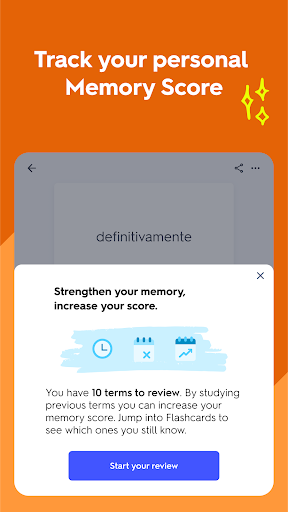
- Language learners and test‑preppers who benefit from spaced review and mobile study
- Classes/study groups that share and collaborate on decks
Not ideal for:
- Learners who want everything free and offline without ads or limits
- Power users seeking fully customizable spaced‑repetition algorithms and deep open‑ended workflows
- Those who avoid subscriptions or rely on niche legacy modes
Real-world User Experience
Users like it:
Consistently praised for driving effective, sustained study sessions; easy creation (including AI generation and image-to-cards), rich study modes (flashcards, learn, match, tests), polished and intuitive UI across mobile and web, large library of community sets, and strong value in the Plus plan (offline, AI features, added practice).
Users complain about:
Some features (notably certain test modes) are paywalled; occasional subscription activation glitches; requests for better access controls/analytics on shared sets; legacy features (e.g., specific game modes) not available on mobile; free tier includes ads.
Is it Worth Paying For?
Yes for frequent learners: the Plus plan (commonly around ~$36/year or ~$8/month per reviews) unlocks offline study, fuller test/learn modes, and AI features that dramatically cut study prep time. Casual users can still do a lot for free, but committed students will likely benefit from upgrading.
How it Compares to Alternatives
Versus Anki: Quizlet is more polished and social with quicker setup and AI generation; Anki offers deeper, tunable spaced repetition and is better for power users willing to tinker. Versus Duolingo/Memrise: Quizlet is content‑agnostic and excels at memorization/testing across any subject, while language apps focus on guided curricula and gamified lessons. Versus Chegg/Photomath: Quizlet’s expert solutions and AI help overlap for homework support, but Quizlet also shines in creating/studying your own materials and exam simulation.
Summary
Quizlet: More than Flashcards delivers a refined study experience that scales from quick cram sessions to structured exam prep. Its standout strengths are effortless content creation (including AI‑generated decks from notes), adaptive practice that targets weak spots, and a massive library of community sets. Reviewers highlight meaningful grade improvements and sustained study streaks, with mobile/web parity that makes studying anywhere practical. While the free tier remains generous, several high‑value modes and offline access live behind the Plus subscription, and a few users report occasional subscription or feature availability quirks. If you study regularly—especially languages, science, or professional exams—the paid plan’s time savings and flexibility likely justify the cost; casual users can still benefit greatly from the free core.
Ratings
Trending APP








Alternative to this app