Copyright 2026 © swekartor. All Rights Reserved.



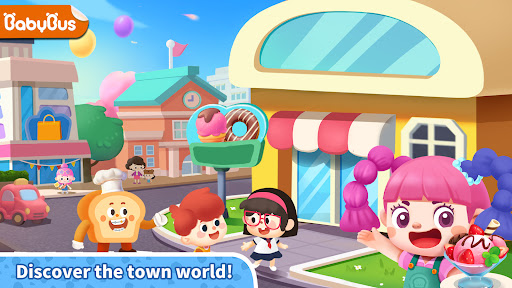
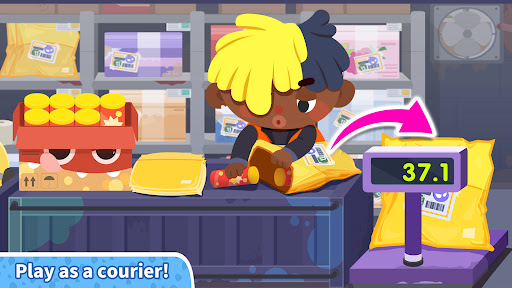
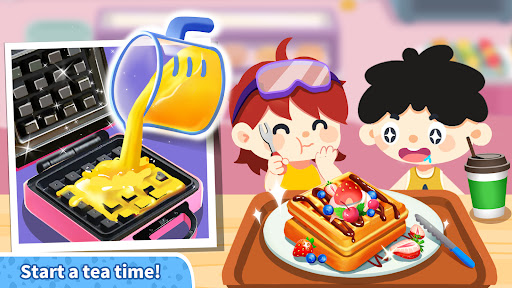

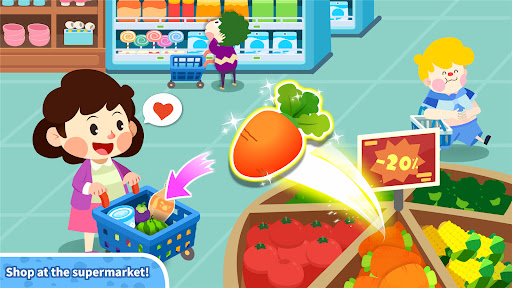
App Feature
An open-ended, kid-focused sandbox where children explore a mini world, customize characters and homes, role‑play across dozens of locations, and engage in light educational activities (puzzles, matching, coloring) with offline support and frequent seasonal updates.
Verdict
Verdict: A charming, creativity-first sandbox for young kids, but gated content, occasional lag, and progress reset quirks may frustrate some families.
Who is it for
Best for:
- Ages ~4–10 who enjoy open-ended pretend play and dress-up
- Parents seeking offline-friendly, colorful, low-pressure play
- Kids who like decorating rooms and creating custom characters
Not ideal for:
- Families avoiding ads/IAP or wanting everything unlocked free
- Older kids wanting complex goals, narratives, or deep mechanics
- Users sensitive to device performance issues or long load times
Real-world User Experience
Users like it:
Cute graphics, lots of characters and scenes, open-ended storytelling, house/character customization, frequent updates, mostly smooth performance for many, and some locations/items unlockable without purchase. Parents appreciate offline play and creative freedom.
Users complain about:
Many buildings and items are paywalled; some scenes require Wi‑Fi downloads; occasional lag or long loading; progress sometimes doesn’t persist (hairstyles/items revert), accidental full resets due to the reset button, and post-update locks (e.g., school) can appear. A few dislike recent character face changes.
Is it Worth Paying For?
Core play is free, but much content sits behind IAP. Value is good if your child engages heavily with decorating and role-play across many locations. Start with free/ad-unlock areas, then selectively buy favorite packs. Use parental controls to prevent accidental purchases; heavy spenders may find costs add up versus a one-time premium alternative.
How it Compares to Alternatives
Compared to Toca Life World, BabyBus skews younger with gentler mechanics and brighter aesthetics, but uses more ad/IAP gating and can have persistence quirks; Toca feels more polished yet can be pricier to fully expand. Versus My Town or Miga Town, this offers similar open-ended play with robust character/home customization and frequent themed updates, though competitors may have steadier save behavior and fewer ad prompts.
Summary
Little Panda’s Town: My World delivers a vibrant, child-friendly sandbox that encourages creativity through character creation, home design, and free-form role-play across many whimsical locations. It’s easy to pick up, supports offline play, and receives regular seasonal content, making it a strong fit for younger kids who love pretend play. The trade-offs are notable: many locations require purchases, some players report lag or slow scene loads, and progress can reset unexpectedly (including an easy-to-tap reset button). If you try the free content first and selectively unlock favorites—while enabling parental purchase restrictions—it can be an engaging, long-lasting play space for kids who thrive on imagination over objectives.
Ratings
Trending APP





Alternative to this app