
Copyright 2026 © swekartor. All Rights Reserved.



App Feature
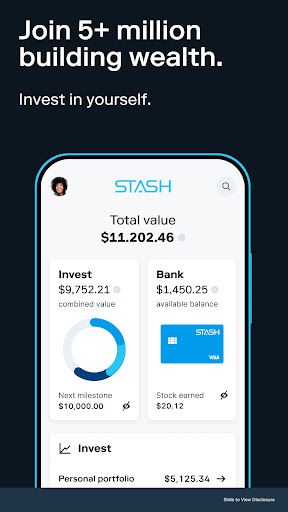
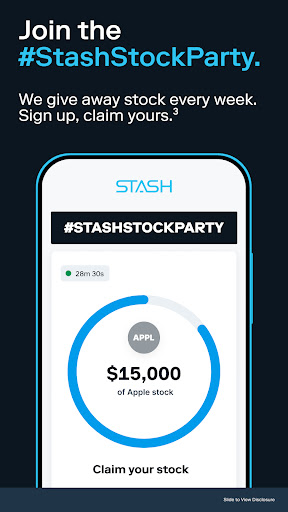
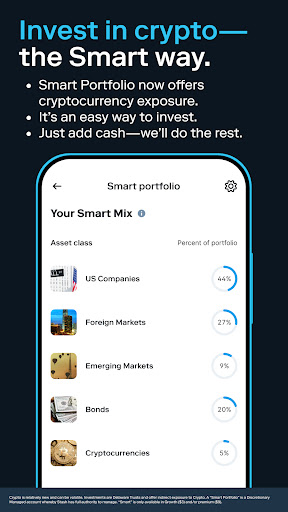
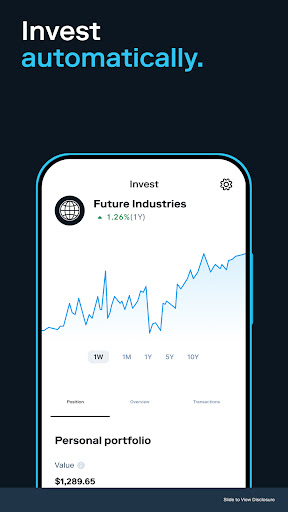
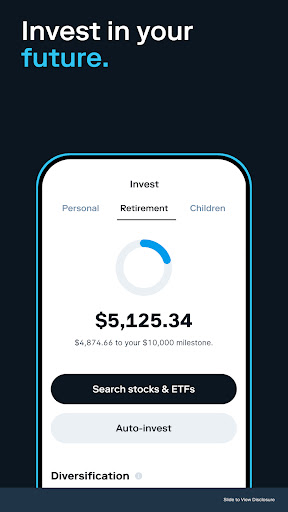
Stash is a beginner-friendly investing app that blends expert-managed portfolios (Smart Portfolio) with DIY stock/ETF picking, automated deposits (Auto-Stash), personalized guidance (Money Coach), a Stock-Back debit card that earns stock on purchases, plus retirement (IRA) and custodial accounts—aimed at long-term, set-and-forget investing.
Verdict
Verdict: A strong all-in-one starter platform for long-term, hands-off investors, but less suited to active traders or users with very small balances sensitive to flat monthly fees.
Who is it for
Best for:
- Beginners seeking simple automation, education, and expert-managed portfolios
- Long-term, low-maintenance investors who want recurring contributions
- Users who value bundled banking perks like Stock-Back rewards and IRAs/custodial accounts
Not ideal for:
- Day traders or users wanting advanced charts, real-time tools, and order types
- Ultra-low-balance investors where a flat monthly fee can outweigh gains
- Anyone needing instant transfers or fee-free account closure/withdrawal experiences
Real-world User Experience
Users like it:
Easy setup and navigation; clear education and coaching; thoughtful ETF curation; suitable for dollar-cost averaging and long-term growth; ability to start small; helpful customer service; Stock-Back rewards and multiple account types (checking, IRA, custodial) add tangible value; app fosters better saving habits.
Users complain about:
Occasional funding/verification friction and slow transfers; some report difficulty canceling or avoiding charges when closing; notification spam/marketing prompts; minor bugs like dividend reinvest toggle behavior and repetitive volatility alerts; rare app stability concerns on certain platforms.
Is it Worth Paying For?
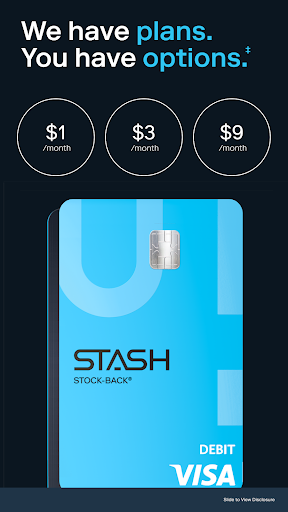
The subscription starts at $3/month. For beginners who use Smart Portfolio, Auto-Stash, and/or the Stock-Back debit card—and maintain a reasonable balance—the value can justify the flat fee. However, very small balances may see fee drag that erodes returns. There are no in-app purchases or ads, but be mindful of ancillary/custodian fees noted in disclosures.
How it Compares to Alternatives
Compared to Robinhood or Cash App Investing, Stash offers more guidance, automation, and account types but lacks active-trading tools and has a monthly fee. Versus Acorns, Stash is similarly subscription-based but provides both robo and self-directed investing plus Stock-Back rewards. Against Betterment/Wealthfront, Stash’s hybrid approach and banking perks stand out, while pure robos may have percentage-based fees that are cheaper for small balances and offer deeper goal planning.
Summary
Stash aims to make long-term investing approachable by combining expert-managed portfolios with optional DIY stock/ETF selection, automated contributions, and integrated banking perks like Stock-Back rewards. Reviews highlight its ease of use, educational content, and effectiveness for set-and-forget saving and investing. Trade-offs include a flat monthly fee that can be costly for very small balances, slower transfers, occasional app quirks, and some friction around notifications and cancellations. If you want a guided, low-effort path to investing with the flexibility to pick your own holdings—and you plan to keep a meaningful balance—Stash delivers solid value. Active traders or fee-averse micro-investors may prefer alternatives.
Ratings
Trending APP












Alternative to this app