
Copyright 2026 © swekartor. All Rights Reserved.



App Feature
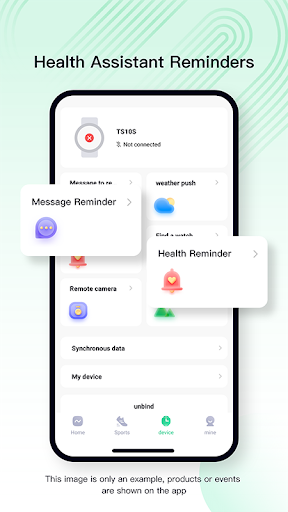
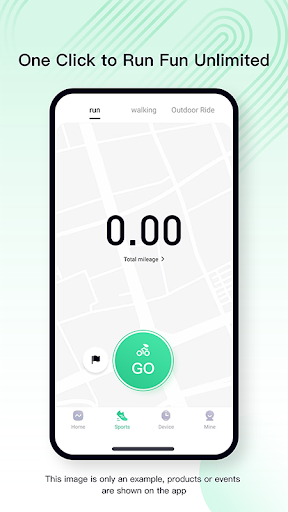
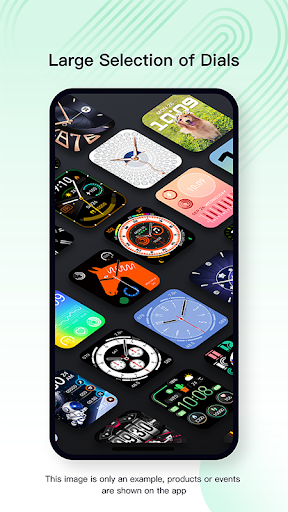
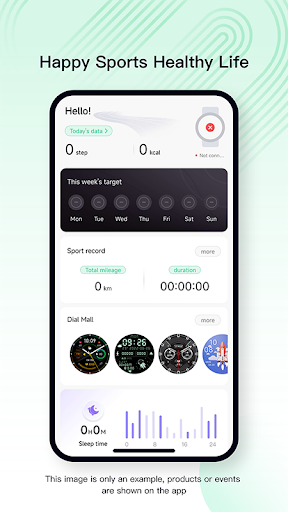
Lefun Health pairs with specific low-cost wearables (e.g., DSW001, TS12) to sync steps, heart rate, sleep, exercise modes, reminders (water, breathing), and basic watch customization. It focuses on live activity logging, simple trend charts, and one-tap device connection rather than deep analytics.
Verdict
Verdict: A functional companion for budget wearables, but unreliable connectivity and limited insights make it unsuitable for power users.
Who is it for
Best for:
- Owners of compatible budget smart watches/rings needing a basic companion app
- Casual users tracking steps, simple workouts, and occasional vitals
Not ideal for:
- Users who need medically reliable BP/SpO2 data or advanced analysis
- Those wanting robust notifications, integrations, and rock‑solid connectivity
Real-world User Experience
Users like it:
Easy pairing for many low-cost devices; simple interface with clear metrics (steps, HR, sleep); customizable watch faces; no subscription; surprisingly capable for the price of supported devices.
Users complain about:
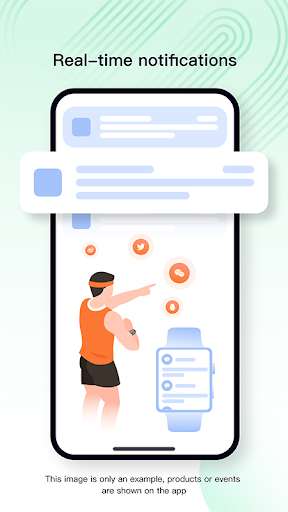
Frequent Bluetooth disconnects/reconnects; limited app notification support (e.g., Discord and custom apps); occasional setup confusion and device‑brand quirks (e.g., secure folder/permission prompts); mixed accuracy for BP/SpO2 and inconsistent sleep logging; minor UI issues (watch face orientation details).
Is it Worth Paying For?
Free with no ads or in‑app purchases. There is nothing to pay for; value depends on already owning a compatible device—in that case, it’s a fair, no‑cost companion.
How it Compares to Alternatives
Compared to Fitbit, Garmin, or Samsung Health, Lefun Health lacks polished UX, reliability, insights, and ecosystem features. Versus mid‑tier options like Zepp (Amazfit) or Xiaomi/Mi Fitness, it offers fewer integrations and less stable syncing but works as a basic logger for very affordable hardware. It suits entry‑level devices where alternatives aren’t supported.
Summary
Lefun Health is a straightforward, no‑cost companion app tailored to specific budget wearables. It handles the essentials—step counting, heart rate checks, simple exercise modes, and sleep snapshots—while offering basic customization. User reports highlight surprisingly good functionality for ultra‑cheap devices but also note persistent Bluetooth drop‑offs, limited notification support, setup friction, and variable accuracy for advanced vitals. If you just need simple tracking on a very low‑cost device, it’s serviceable; if you expect dependable connectivity, rich insights, and broad integrations, established ecosystems will serve you better.
Ratings
Trending APP










Alternative to this app