
Copyright 2026 © swekartor. All Rights Reserved.


App Feature
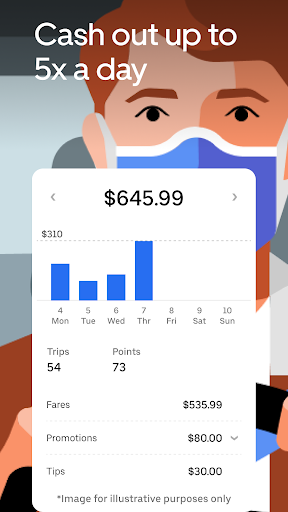
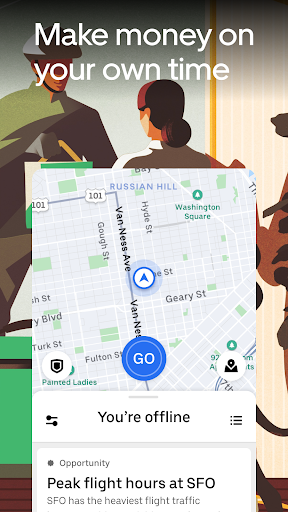
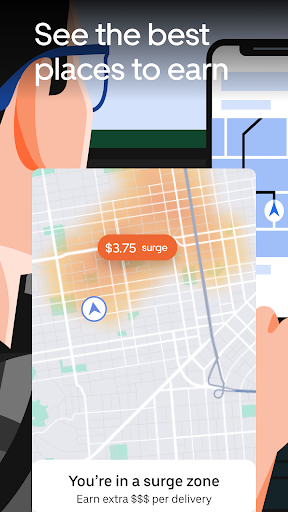
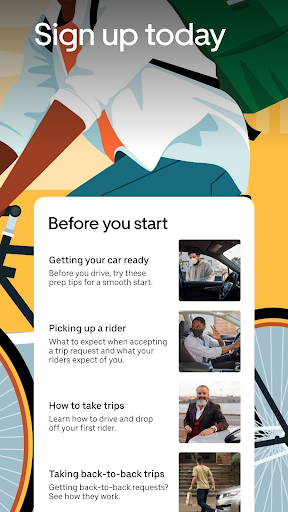
A driver and delivery partner app for Uber, Uber Eats, and Postmates that lets you choose rides or deliveries, set your own schedule, navigate with built‑in maps or Google Maps, use Android Auto, estimate busy times with an Earnings Estimator, and cash out earnings multiple times daily with Instant Pay.
Verdict
Verdict: A polished, flexible earning platform for rides and deliveries, though navigation quirks and limited destination transparency may frustrate some drivers.
Who is it for
Best for:
- Gig workers seeking flexible, on‑demand income with broad city coverage
- Drivers who value Instant Pay and Android Auto integration
- New partners who want clear onboarding and in‑app guidance
Not ideal for:
- Drivers who require full destination details before pickup for planning/safety
- Those who need flawless in‑app navigation without relying on Google Maps
- Drivers focused on predictable quest/promo structures over variable earnings
Real-world User Experience
Users like it:
Overall reliability (works well ~90% of the time), clear and organized interface, robust onboarding help, the option to navigate via Google Maps, Android Auto support, useful fare details (pickup distance, fare distance, postcode, price) for quick decisions, and the flexibility/earning potential with quests and tier rewards.
Users complain about:
Occasional navigation bugs (looping directions, missing routes/voice prompts), address handoff inconsistencies to Google Maps, rare app freezes/crashes when rejecting trip requests, limited destination visibility until after pickup (noted as a safety/planning concern, especially for women), loud/unchangeable notification sounds, and quests that can feel high-effort for modest rewards.
Is it Worth Paying For?
The app is free with no in‑app purchases or ads, so there’s nothing to pay for—value depends on local demand, promos, and your ability to choose profitable times/areas.
How it Compares to Alternatives
Compared to Lyft Driver, Uber generally offers wider market coverage and more frequent requests in many cities but similarly withholds full destination details until after pickup; Lyft’s interface is comparable but promos can vary by region. Versus delivery‑only apps like DoorDash Dasher or Grubhub Driver, Uber’s dual ride+delivery model can smooth slow periods, while DoorDash often provides clearer destination info pre‑accept in some markets and simpler delivery‑centric workflows. Uber’s Android Auto integration and Instant Pay frequency are strong; navigation stability is good but not flawless, making Google Maps a common fallback.
Summary
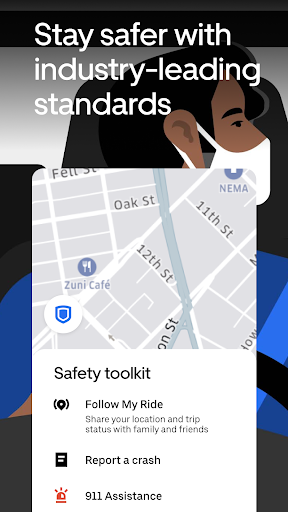
Uber - Driver: Drive & Deliver is a mature, widely available platform that lets you earn on your schedule across rides and deliveries. Drivers praise its organized UI, strong onboarding, Android Auto support, and quick payouts, and many find the fare details sufficient to judge trip value. Downsides include occasional navigation glitches, inconsistent address handoffs, crashes when rejecting requests, and the lack of full destination visibility before pickup—which impacts planning and perceived safety for some. If you’re comfortable with gig-work variability and leverage busy times using the Earnings Estimator, it offers meaningful flexibility and income potential without upfront cost; just be ready to rely on Google Maps, adjust notification settings on your device, and use your own safety criteria for accepting trips.
Ratings
Trending APP




Alternative to this app