
Copyright 2026 © swekartor. All Rights Reserved.



App Feature
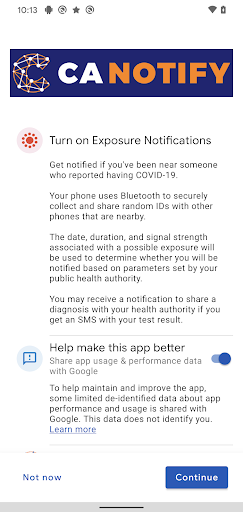
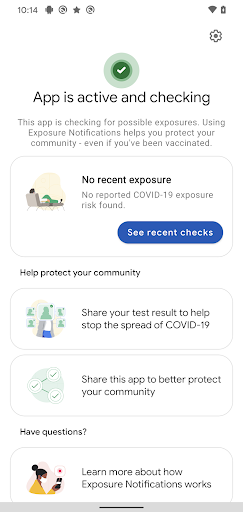
CA Notify is a free, state-backed exposure notification app that uses Bluetooth-based contact tracing to alert California residents of potential COVID-19 exposure, emphasizing privacy-preserving design, strong encryption, and a simple, set-and-forget onboarding experience.
Verdict
Verdict: A trustworthy, easy-to-use exposure notification tool, best for privacy-conscious Californians who want passive, low-effort protection.
Who is it for
Best for:
- California residents seeking passive COVID-19 exposure alerts
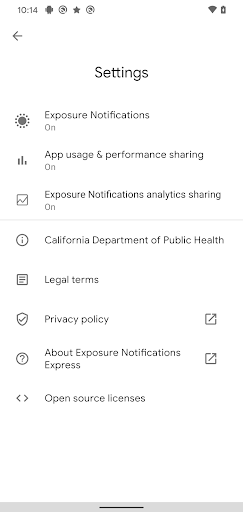
- Privacy-conscious users who want minimal data collection
- People who prefer simple, low-battery background apps
Not ideal for:
- Users outside California or traveling across regions frequently
- Anyone wanting detailed exposure analytics or health guidance in-app
- Skeptics of Bluetooth-based contact tracing effectiveness
Real-world User Experience
Users like it:
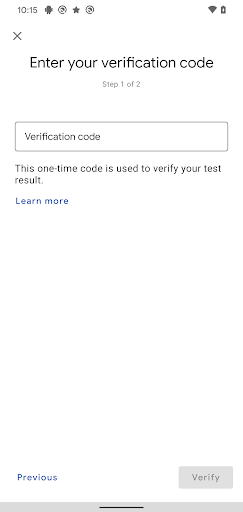
Straightforward setup, unobtrusive background operation, and strong privacy stance; many appreciate the peace of mind and minimal battery impact.
Users complain about:
Limited detail in exposure notices, usefulness dependent on broad adoption, occasional confusion about what to do after an alert, and sporadic device compatibility or notification delays.
Is it Worth Paying For?
The app is free with no in-app purchases; there is nothing to pay for and the value proposition is strong given its public health purpose.
How it Compares to Alternatives
Compared with other state or national exposure notification apps built on the Apple/Google framework, CA Notify offers a similar privacy-first approach and simplicity. It generally lacks extras like case dashboards or symptom checkers found in some regional apps but keeps friction low and battery usage minimal.
Summary
CA Notify delivers a clean, privacy-forward approach to exposure notifications for Californians. It runs quietly in the background, requires little user input, and aims to provide timely alerts while safeguarding personal data with robust encryption and minimal data sharing. While its effectiveness depends on community adoption and it intentionally withholds granular exposure details, its ease of use, low resource footprint, and clear, public-health-focused purpose make it a solid choice for residents who want passive protection without sacrificing privacy.
Ratings
Trending APP











Alternative to this app