
Copyright 2026 © swekartor. All Rights Reserved.



Information about Rock Identifier: Stone ID
App Feature
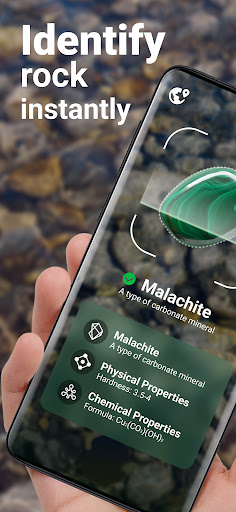
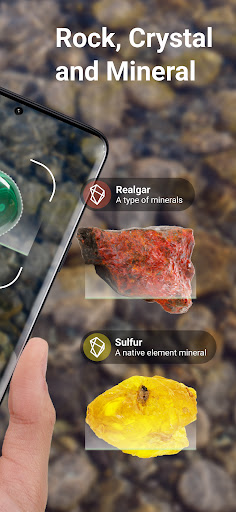
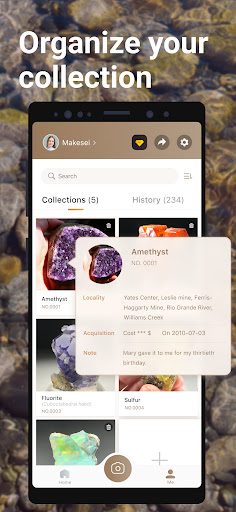
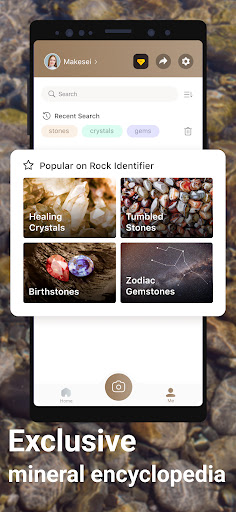
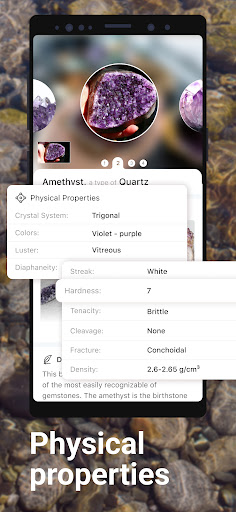
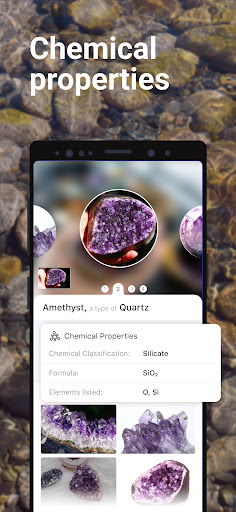
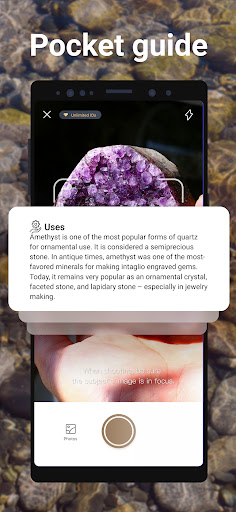
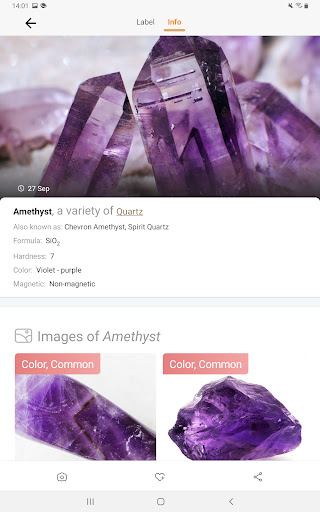
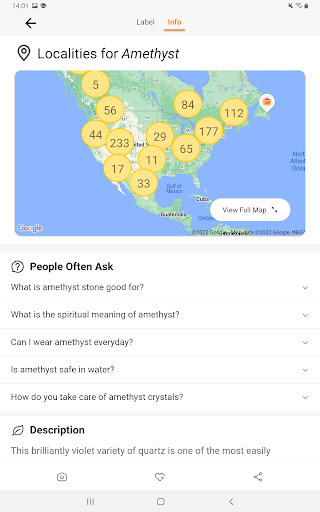
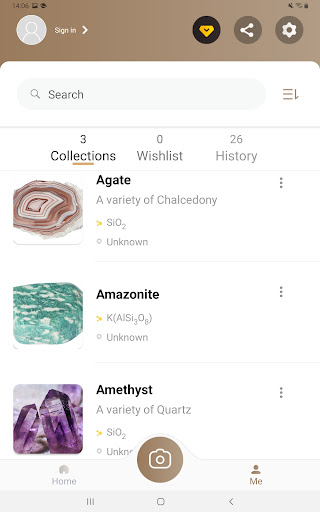
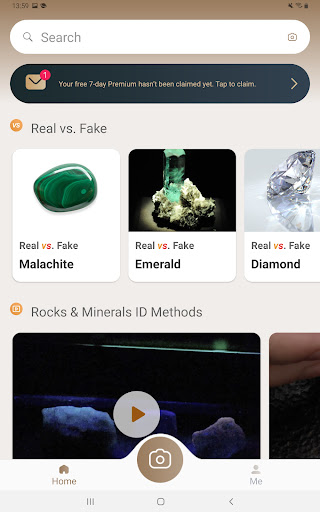
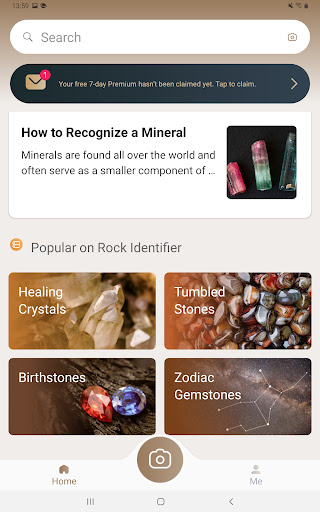
Photo-based rock, mineral, and crystal identification using image recognition with a large 6,000+ specimen database, rich reference entries (name, hardness, color, luster, formula), and tools to save, organize, and annotate personal collections (location, date, price, size). Includes browse/search, learning resources, and optional expert inquiry.
Verdict
Verdict: A powerful, beginner-friendly rock ID tool with robust learning and collection features, though subscriptions and occasional misidentifications may deter some users.
Who is it for
Best for:
- Hobbyists, students, and educators wanting quick, camera-based IDs
- Collectors who need to catalog finds with notes, photos, and locations
- Users seeking a broad, readable mineral database and learning resources
Not ideal for:
- Professionals needing lab-grade certainty or offline field use
- Users averse to recurring subscriptions or trial prompts
- Shoppers focused on detailed valuation without paying for premium
Real-world User Experience
Users like it:
High identification accuracy for many specimens (often 75–80%+ among suggested matches), clean interface, fast results, and extensive reference info. The collection feature is widely praised for organizing specimens, history, and metadata. Users appreciate multiple suggestions per scan, practical tips (lighting/background), and that the free tier is functional for basic ID and learning.
Users complain about:
Occasional misidentifications—especially with visually similar stones—without prompts for hardness or simple user inputs to refine results. Frequent paywall/trial prompts and perceived high weekly pricing for premium features (e.g., value estimates) frustrate some users. Limited or no offline functionality is a pain point for field use, and a few content inconsistencies have been noted.
Is it Worth Paying For?
The free version suffices for casual IDs, browsing, and building a basic collection. Premium adds valuation and more advanced features that some collectors find worthwhile, but the reported weekly subscription model feels expensive to many. If you frequently catalog, sell, or need deeper insights, a short paid period may be useful; otherwise, most can stay on the free tier.
How it Compares to Alternatives
Compared with other rock ID apps, it stands out for database breadth, speed, and polished collection management. Accuracy is competitive to better than most photo-ID tools, aided by multiple suggestions and rich profiles. Traditional field guides offer more reliable identification when combined with hardness and streak tests but lack the app’s convenience. Some competitors may be cheaper or offer offline modes, but few match the balance of usability and content depth here.
Summary
Rock Identifier: Stone ID delivers quick, photo-driven identification backed by a sizable database and a thoughtfully designed collection system. It’s especially helpful for learners and hobbyists who want instant context and a tidy way to document finds. While the app is impressively accurate for many common specimens, it can struggle with lookalikes and would benefit from simple user inputs (e.g., hardness) to refine results. The free tier is generous; premium unlocks extras like valuations but draws complaints about weekly pricing and trial prompts. If you want an accessible, all-in-one tool to identify, learn, and organize your rocks and crystals, this app is one of the strongest options—just set expectations around precision, offline use, and costs.
Ratings
Trending APP












Alternative to this app