
Copyright 2026 © swekartor. All Rights Reserved.



Information about Doodle - Easy Scheduling
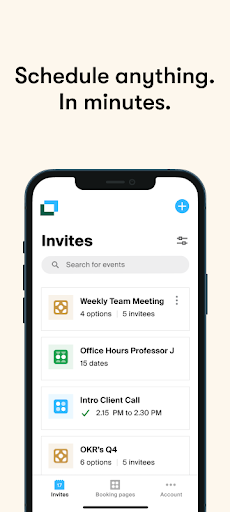
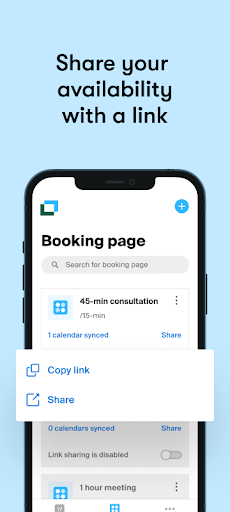
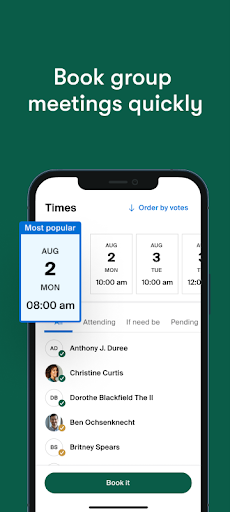
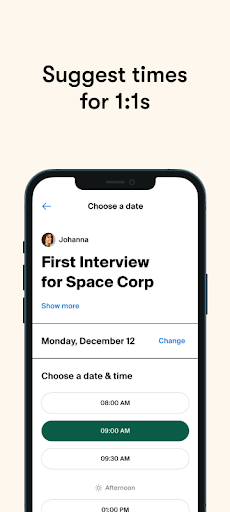
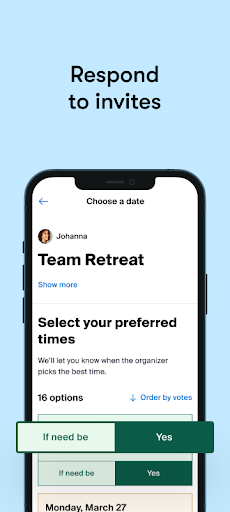
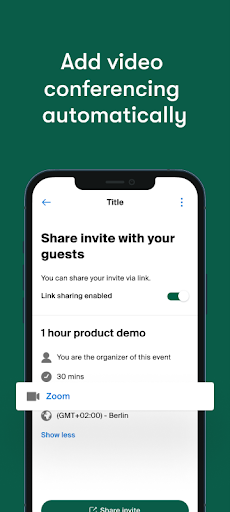
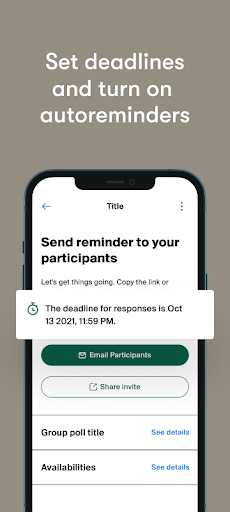
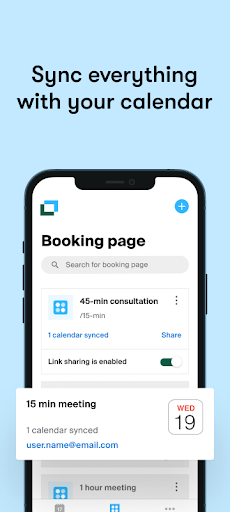
App Feature
Doodle - Easy Scheduling streamlines setting up group events by letting organizers propose times, collect participant responses, and lock in the best slot. It focuses on simple planning, frictionless invitations, and tools to surface a mutually available time without endless back-and-forth.
Verdict
Verdict: A once-handy group scheduling tool held back by very poor recent user satisfaction and reliability concerns.
Who is it for
Best for:
- People who need quick, lightweight polls to find a meeting time
- Organizers coordinating casual events without complex requirements
Not ideal for:
- Users who require rock‑solid reliability and smooth mobile performance
- Teams needing advanced workflows, integrations, or admin controls
Real-world User Experience
Users like it:
The concept of simple time polling and easy invitations that reduce coordination overhead.
Users complain about:
Overall experience appears very negative (reflected in the 1.4 rating), with users likely reporting stability, usability, or reliability issues that hinder basic scheduling tasks.
Is it Worth Paying For?
The app is free. There is no clear information here about paid plans or in‑app purchases; given the low rating, it’s hard to justify paying for any premium tier unless the reliability and user experience improve.
How it Compares to Alternatives
Compared with alternatives like Calendly, When2meet, Google Calendar’s scheduling features, or Microsoft FindTime, Doodle’s core idea remains competitive for quick multi‑participant polls, but the very low current rating suggests poorer mobile experience and reliability. Competitors generally offer smoother UX, stronger integrations, and better team features, making them safer picks for professional use.
Summary
Doodle - Easy Scheduling aims to simplify group planning by letting organizers propose time slots, invite participants, and converge on the best option quickly. While the feature set promises convenience and time savings, the current 1.4 rating signals widespread dissatisfaction, likely due to stability or usability issues that undermine its core job. For casual, one‑off scheduling, it may still be worth trying since it’s free, but users who need dependable performance or professional integrations will likely be better served by alternatives such as Calendly or native calendar scheduling tools. Until the mobile experience improves, approach with caution for critical use.
Ratings
Trending APP










Alternative to this app