
Copyright 2026 © swekartor. All Rights Reserved.



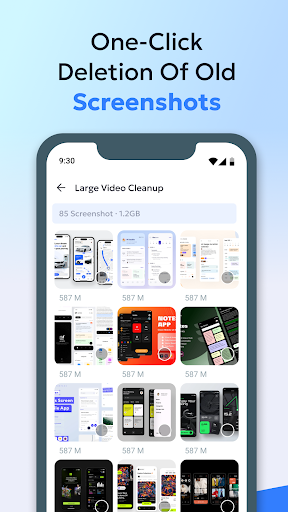
App Feature
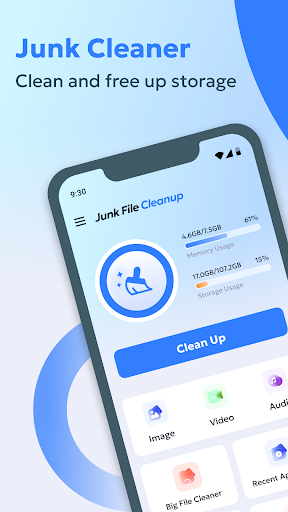
Junk File Cleanup is a free utility focused on reclaiming storage by scanning for and removing cache and junk files, wrapped in a simple interface with optional scheduled cleanups to automate routine maintenance.
Verdict
Verdict: A straightforward, effective cleaner for freeing space, best for set‑and‑forget cache maintenance rather than deep system optimization.
Who is it for
Best for:
- Users who want quick, no-fuss cache removal
- People low on storage who value scheduled, automatic cleanups
- Beginners who prefer a simple, guided interface
Not ideal for:
- Power users seeking granular, system-level tuning and analytics
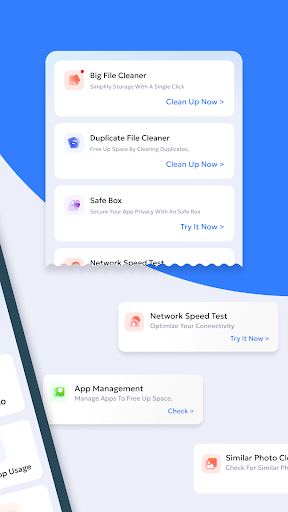
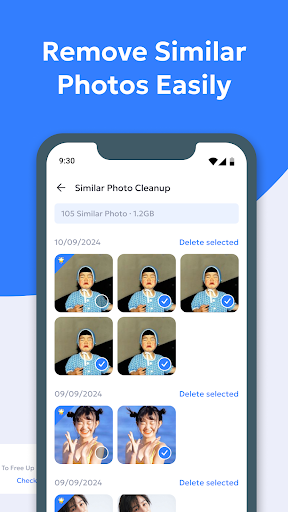
- Anyone expecting duplicate/media management or advanced bloatware removal
Real-world User Experience
Users like it:
Given its 4.3 rating and popularity, users likely appreciate the noticeable space savings after scans, the clean UI that makes actions clear, and the convenience of scheduled cleaning that reduces manual upkeep.
Users complain about:
Common pain points in this category may apply: ads in a free app, limited depth of cleaning on newer Android versions due to OS restrictions, and occasional need to adjust battery optimization settings for the scheduler to run reliably.
Is it Worth Paying For?
The app is free; no paid tiers are indicated. As a free tool that focuses on cache removal and automation, it offers solid value without upfront cost. If ads are present, the trade-off is typical for this category.
How it Compares to Alternatives
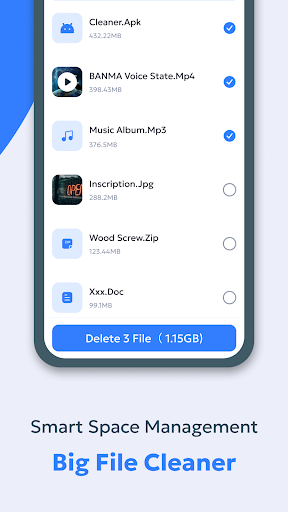
Compared with Files by Google, Junk File Cleanup is more focused on automated cache removal but lacks broader features like smart file suggestions and large file management. Against CCleaner, it’s simpler and easier for quick cleans but offers fewer diagnostics and system insights. Versus power tools like SD Maid, it favors ease and automation over depth and granular control.
Summary
Junk File Cleanup targets the essentials: scan, identify, and remove cache and junk to quickly free space, with an approachable interface and a handy scheduler for ongoing maintenance. Its strengths lie in simplicity and automation rather than exhaustive device optimization. For most users who just want to reclaim storage regularly without fiddling with settings, it’s a practical, free solution. Those needing deep analysis, duplicate/media management, or advanced system tools may prefer more comprehensive cleaners, but as a lightweight, set‑and‑forget utility, it does its core job well.
Ratings
Trending APP










Alternative to this app