
Copyright 2026 © swekartor. All Rights Reserved.







App Feature
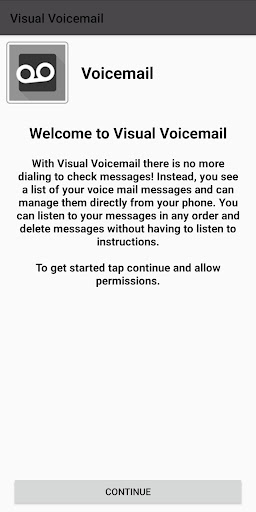
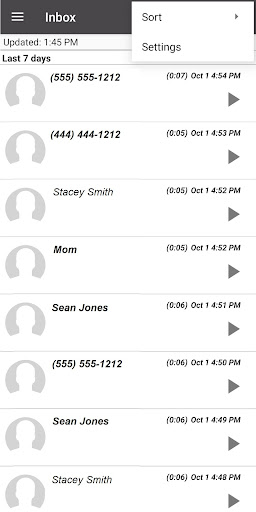
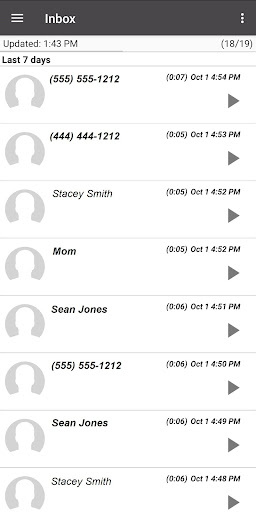
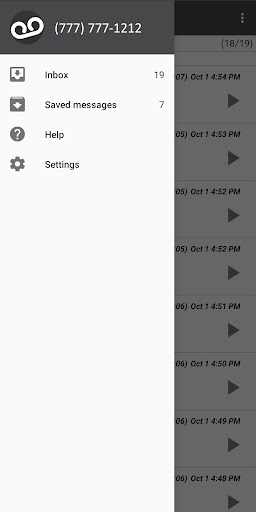
Boost Visual Voicemail delivers carrier-backed visual voicemail (for DISH and Boost Mobile) directly to your device, letting you view, play, search, and manage messages like email; personalize greetings; and keep voicemails stored on-device with backup/restore options.
Verdict
Verdict: A convenient, carrier-tied visual voicemail that’s improving, but reliability and past update issues may frustrate picky users.
Who is it for
Best for:
- Boost Mobile or DISH Wireless users who want simple visual voicemail without dialing in
- People who like organizing voicemails like email and customizing greetings
Not ideal for:
- Users on other carriers or those wanting a cross-carrier voicemail solution
- Anyone sensitive to app stability changes or requiring polished transcription features
Real-world User Experience
Users like it:
Recent updates seem to have restored expected functionality for many; when working, it reliably surfaces voicemails in one place, supports easy message management, and generally behaves like modern visual voicemail.
Users complain about:
Past updates caused constant notifications, degraded audio quality, permission prompts (e.g., Bluetooth, broad file access), and even forced some users back to dial-in deletion; the multi-year stretch of issues eroded trust for a portion of users.
Is it Worth Paying For?
The app is free with no in-app purchases; value is solid if you’re on a supported carrier. Any premium-like features (e.g., transcriptions) may depend on carrier plans rather than app payments.
How it Compares to Alternatives
Compared with Google Phone’s built-in Visual Voicemail or Samsung/other OEM dialer integrations, Boost VVM is tightly integrated for Boost/DISH networks and offers on-device control and backups. It lacks the cross-carrier flexibility, advanced call handling, and robust spam features of third-party options like YouMail, and its reliability history trails the more mature native dialer solutions.
Summary
Boost Visual Voicemail brings straightforward, inbox-style voicemail to Boost Mobile and DISH users, with quick playback, search, and customizable greetings, plus on-device storage and backup/restore (requiring broad file access). It’s free and, according to recent feedback, now functions as expected after a rocky period marked by persistent notifications, permissions friction, and occasional regressions that pushed some users back to dial-in voicemail. If you’re on a supported carrier and want simple, centralized voicemail without passcodes, it’s a practical pick. Power users seeking cross-carrier portability, deeper transcription controls, or rock-solid long-term stability may prefer native dialer voicemail or third-party services. Overall, it’s a useful, no-cost utility that has improved but still carries some reliability baggage.
Ratings
Trending APP












Alternative to this app