
Copyright 2026 © swekartor. All Rights Reserved.



Information about Spatial Touch™
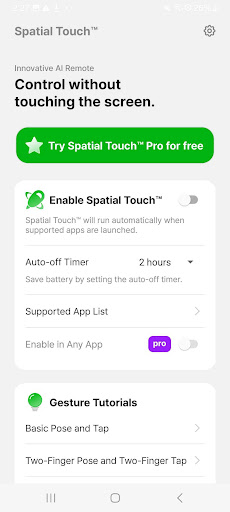
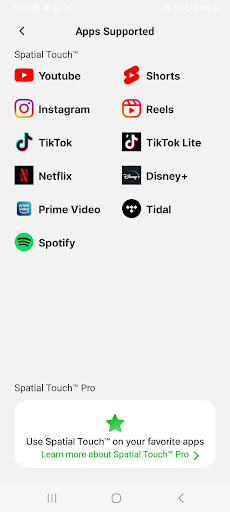
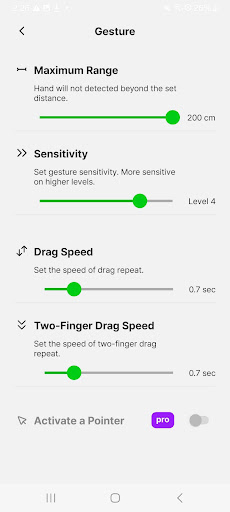
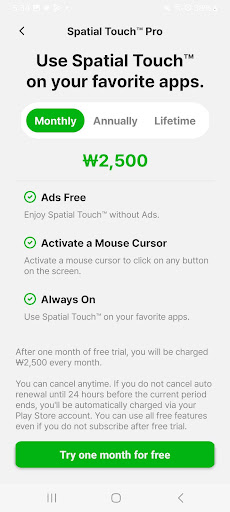
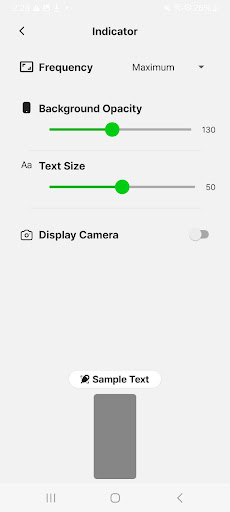
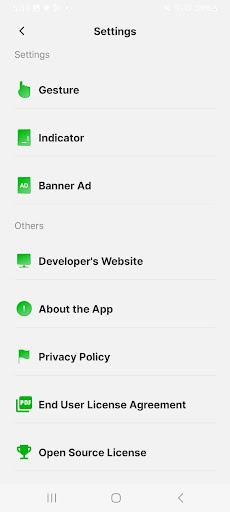
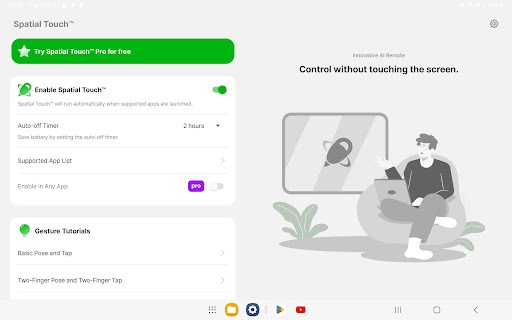
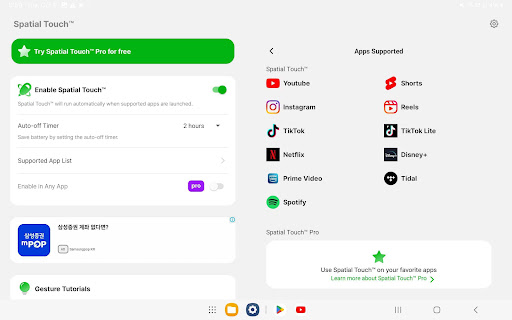
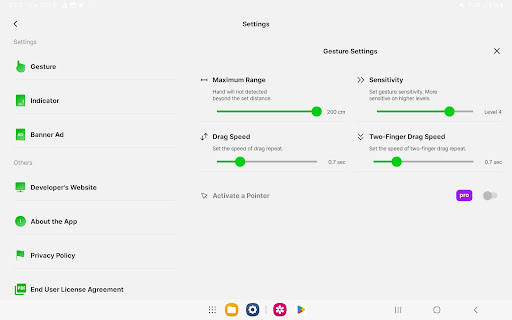
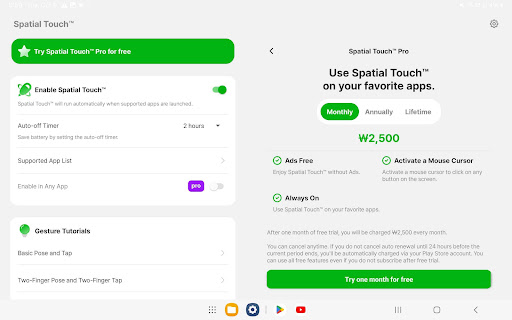
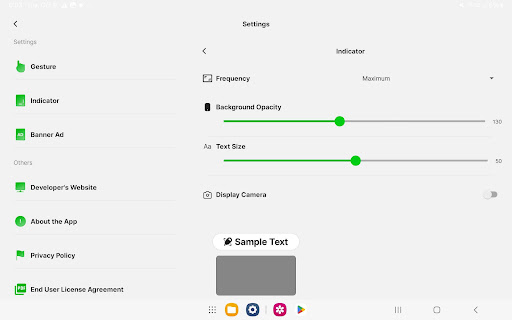
App Feature
Spatial Touch™ is a free, cross‑platform app that lets you manipulate virtual objects with advanced hand‑gesture recognition through a clean, beginner‑friendly interface, aiming to streamline creative, educational, and productivity workflows on phones, tablets, and desktops.
Verdict
Verdict: An innovative, easy‑to‑learn gesture app with broad device support, though consistency and polish vary enough to keep it at a 3.8.
Who is it for
Best for:
- Designers, educators, and tinkerers exploring gesture‑based interaction
- Users who value a clean, intuitive interface across multiple devices
- Beginners wanting quick, low‑friction access to spatial tools
Not ideal for:
- Power users needing pro‑grade precision and rock‑solid tracking
- People on older or underpowered devices sensitive to performance hiccups
- Teams requiring guaranteed enterprise support and admin controls
Real-world User Experience
Users like it:
The interface feels simple and well‑organized, and the gesture controls are engaging once learned; many appreciate being able to pick up work across phone, tablet, and desktop.
Users complain about:
Experiences can be inconsistent: occasional gesture misrecognition, device‑specific quirks, and a learning curve for mastering precise rotations/scaling; some report performance or battery drain during extended sessions.
Is it Worth Paying For?
The app is free; no paid plans are indicated in the provided details, making it easy to try without risk.
How it Compares to Alternatives
Compared with other gesture/AR control apps, Spatial Touch™ emphasizes a cleaner onboarding experience and wider platform reach. Alternatives may offer tighter pro features or niche workflows but often come with steeper learning curves, paid tiers, or narrower device support. Spatial Touch™ trades some pro precision for accessibility and scale.
Summary
Spatial Touch™ brings gesture‑driven interaction to a wide audience with an approachable interface and multi‑platform consistency. It’s compelling for creative exploration, instruction, and light productivity where quick object manipulation matters. The 3.8 rating suggests a solid but imperfect experience: most users enjoy the intuitive layout and cross‑device continuity, while others encounter tracking accuracy gaps, occasional performance hits, and a modest learning curve for fine controls. If you want an accessible entry point into spatial interaction without upfront cost, it’s an easy recommendation; if you require professional‑grade precision and guaranteed stability, you may want to test thoroughly or consider more specialized tools.
Ratings
Trending APP








Alternative to this app