
Copyright 2026 © swekartor. All Rights Reserved.



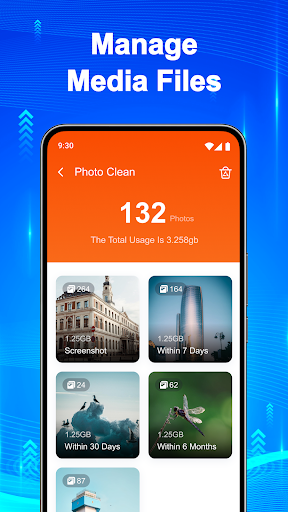
App Feature
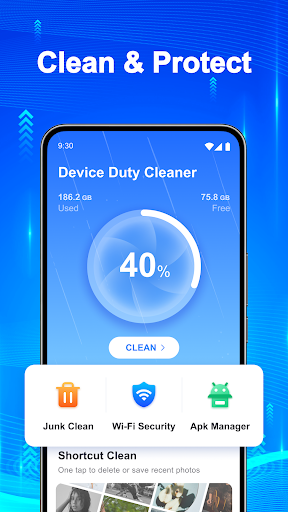
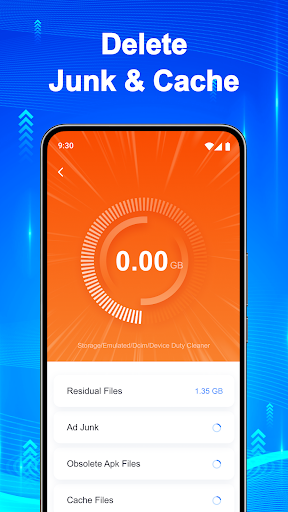
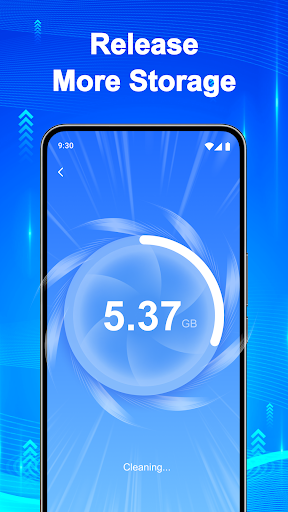
Device Duty Cleaner is a free utility focused on boosting Android performance by freeing memory, closing unused apps, and monitoring resource usage in real time, all through a simple, beginner‑friendly interface.
Verdict
Verdict: A capable, easy-to-use cleaner for everyday performance boosts, but power users may want deeper controls and transparency.
Who is it for
Best for:
- Users wanting quick speed-ups and smoother multitasking
- Beginners who prefer a clean, straightforward interface
- Anyone who wants real-time performance and memory alerts
Not ideal for:
- Advanced users needing granular automation and whitelists
- Those avoiding background monitors or frequent notifications
- Users wary of ad-supported cleaners
Real-world User Experience
Users like it:
Strong overall rating (4.4) suggests noticeable performance improvements, fast app launches after cleanup, and an interface that’s easy to navigate.
Users complain about:
As with many free cleaners, users may encounter ads, occasional aggressive app-killing that disrupts background tasks, and notifications some might find frequent.
Is it Worth Paying For?
The app is free; no paid plan is indicated. It’s worth trying at no cost, with the usual caveat that free cleaners often include ads.
How it Compares to Alternatives
Compared with all-in-one utilities like CCleaner, Device Duty Cleaner focuses more on live memory optimization and straightforward cleanup rather than broad toolsets. Versus Files by Google, it emphasizes performance monitoring over storage organization. Power users seeking deep system tools may still prefer options like SD Maid, but Device Duty Cleaner’s simplicity and real-time alerts make it appealing for quick, hassle-free boosts.
Summary
Device Duty Cleaner targets everyday slowdowns by identifying unused apps, reclaiming memory, and flagging performance issues as they happen. Its streamlined design keeps cleanup simple, and the strong rating plus substantial install base suggest it reliably improves responsiveness for many users. While it likely uses an ad-supported model and may sometimes close tasks more aggressively than some prefer, it’s an easy recommendation if you want straightforward speed-ups and helpful monitoring without a learning curve. Advanced users who need detailed controls might outgrow it, but for most, it’s a practical, lightweight boost to daily performance.
Ratings
Trending APP










Alternative to this app