
Copyright 2026 © swekartor. All Rights Reserved.



App Feature
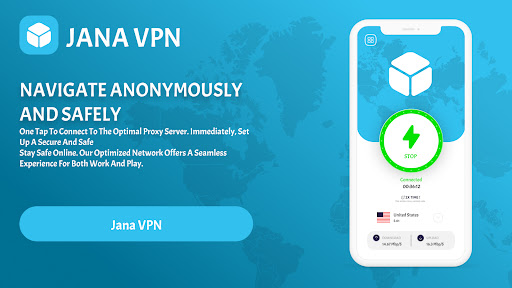
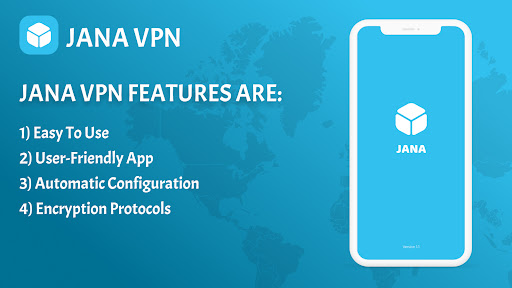
Jana VPN provides a simple, privacy-focused VPN using Android’s VPN Service to encrypt traffic, protect users on public Wi‑Fi, and enable fast, unlimited-bandwidth connections with a one-tap interface and a network of global servers for accessing region-restricted content.
Verdict
Verdict: A straightforward, free VPN for basic privacy and streaming access, but light on advanced features and transparency.
Who is it for
Best for:
- Users who want a quick, one-tap secure connection on public Wi‑Fi
- People seeking unlimited bandwidth for streaming or browsing
- Beginners who prefer a clean, simple interface
Not ideal for:
- Privacy enthusiasts who need audited no‑logs policies, kill switch, or split tunneling
- Users in countries where the app is unavailable due to restrictions
- Power users who want granular configuration and advanced protocols
Real-world User Experience
Users like it:
Reports indicate it works well for accessing YouTube and other filtered or geo‑blocked sites, with easy setup and reliable connectivity.
Users complain about:
Insufficient review data to identify common complaints from users; no consistent negatives surfaced in the provided feedback.
Is it Worth Paying For?
The app is free, ad‑supported, and lists no in‑app purchases. There’s nothing to buy, so it’s worth trying if you’re comfortable with ads and don’t need premium‑grade privacy features.
How it Compares to Alternatives
Compared to well‑known options like Proton VPN or Windscribe (which emphasize transparency, audits, and features like kill switch and split tunneling), Jana VPN focuses on simplicity and unlimited bandwidth but shares fewer technical details publicly. Versus ad‑heavy free VPNs like Turbo VPN, it similarly offers quick access and global servers; however, Jana’s stated country restrictions limit availability for some users, and the absence of clearly documented advanced features makes it less compelling for privacy purists.
Summary
Jana VPN targets everyday users who need a fast, no‑fuss way to encrypt traffic—especially on public Wi‑Fi—and to access geo‑restricted content. It pairs unlimited bandwidth with a simple interface and positions itself for remote work and casual streaming. The trade‑off is limited transparency about advanced capabilities (e.g., audited no‑logs policy, kill switch, split tunneling) and availability constraints in several countries. If you want a free, straightforward VPN for basic protection and streaming, it’s an easy pick; if you require advanced security features and strong policy disclosures, established privacy‑focused alternatives may suit you better.
Ratings
Trending APP










Alternative to this app